How personalized anti aging care begins
Anti-aging care is not a single procedure or a fixed treatment schedule. Skin texture, firmness, facial contours, and volume can change in different ways, so a useful plan starts by identifying which changes matter to the patient. At Ode Clinic, the doctor who performs the procedure provides a direct consultation and discusses treatment options. The aim is to select care for the individual concern, rather than apply the same approach to everyone.
Identifying your priorities
A patient concerned about fine lines may need a different discussion from someone who has noticed changes around the jawline or a loss of cheek volume. Before recommending a procedure, the doctor can consider the area involved, the condition of the skin, and the patient’s expectations. It also helps to explain whether the main goal is improved texture, firmer skin, a change in facial contours, or a combination of concerns.
Bring a clear description of what you would like to address, even if you are unsure which treatment category fits. For example, “my skin feels less firm” and “my cheeks look less full” describe different concerns and may lead to different recommendations. The consultation is also an opportunity to discuss previous procedures, current medications, allergies, and relevant health conditions. These details help the doctor consider whether a proposed treatment is appropriate and what precautions may be needed.
A useful anti-aging plan begins with the concern, not the device. Direct consultation gives the doctor and patient a chance to define the goal before comparing treatments.
Distinguishing firmness, sagging, and volume
The terms lifting, tightening, and volume are sometimes used interchangeably, but they describe different treatment goals. Tightening generally focuses on skin firmness, while lifting treatments address the appearance of sagging. Volume treatments are intended for areas that look hollow or less full. A person may have more than one concern, but that does not mean every concern requires treatment at the same time.
The distinction matters when setting expectations. A treatment selected primarily for skin texture is not necessarily designed to restore fullness in the cheeks. Likewise, a volume procedure is not a direct substitute for a treatment chosen to address skin firmness. During consultation, ask the doctor which concern each proposed procedure is intended to address and what degree of change is realistic for your condition. Matching the treatment to the concern is more useful than choosing by name alone.
Making a plan with the treating doctor
Ode Clinic’s care process includes a one-on-one consultation, treatment design, re-consultation, a private-room procedure, and customized care. The doctor considers the patient’s needs alongside factors such as the timing of changes, duration of effects, cost, and potential side effects. These points can help patients compare options without assuming that a particular procedure is appropriate simply because it is familiar.
It is reasonable to ask why a treatment is being recommended, whether another approach could address the same concern, and what follow-up involves. If more than one area bothers you, discuss which concern is the priority and whether treatments should be planned separately. The doctor can explain the proposed approach in relation to your skin and medical history, while you decide whether it fits your goals.
Ode Clinic also uses skin diagnostic photographs for before-and-after comparison and follow-up consultations. Photographs can provide a more consistent reference when changes develop gradually or are difficult to judge from memory. Individual responses differ, so a comparison is most useful when it is considered alongside the original treatment goal and the doctor’s assessment.
Personalized anti aging care treatment options
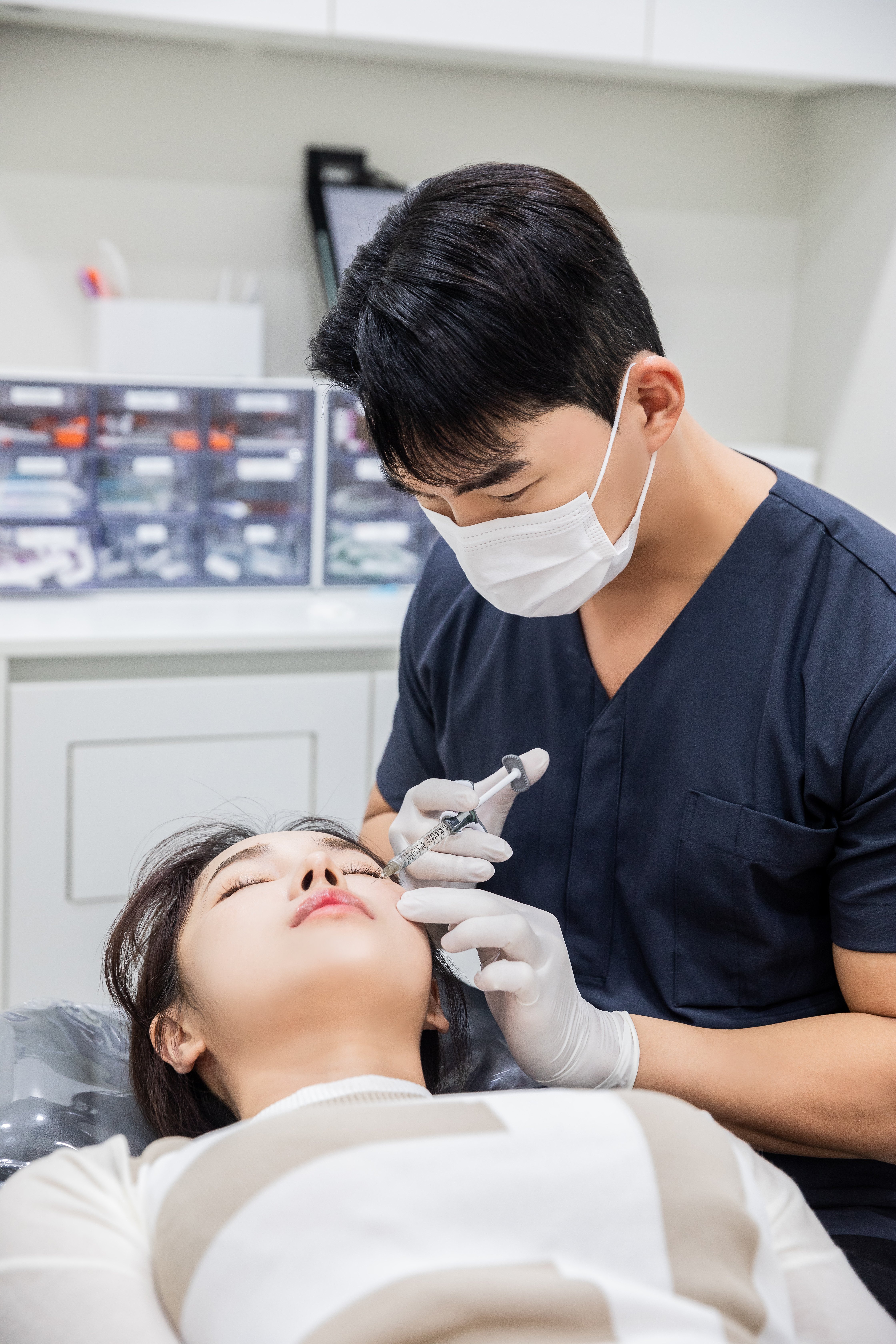
Ode Clinic offers procedures in lifting and tightening, volume, skin boosters, and anti-aging care. These categories work in different ways, and the choice depends on the concern being assessed. A treatment plan may involve one approach or a considered combination, but more treatment is not automatically more appropriate. The following examples explain how some options differ and what to discuss with the doctor.
Lifting and tightening treatments
Ultherapy Prime uses focused ultrasound and is offered for concerns involving facial sagging. Thermage FLX uses radiofrequency energy and is intended to address skin firmness and texture. Ode Clinic also offers DEEP MODE XERF, a radiofrequency treatment used for concerns including facial sagging and elasticity. Each approach has a different treatment design, so the doctor’s assessment matters when deciding which option fits the area and goal.
For someone primarily concerned about loose-looking skin, the consultation may focus on whether tightening, lifting, or another approach is appropriate. The doctor can also discuss the patient’s facial volume and treatment history when planning the procedure. Thermage, for example, is associated with gradual changes as collagen remodeling occurs; the timing and extent of visible change depend on the individual. Ask what the procedure is intended to do, how discomfort is managed, and what the recovery period may involve before making a decision.
Lifting and tightening are related but distinct goals. Comparing them during consultation helps patients understand what a proposed treatment is designed to address.
Skin boosters for texture and hydration
Skin boosters are another category to consider when the main concern is skin quality rather than facial contour. Ode Clinic offers Re2O, which uses processed human-derived dermal tissue, and Juvelook Skin, a collagen-stimulating treatment used for concerns such as texture and pores. Skinvive is an injectable hyaluronic acid treatment used to address skin hydration. The doctor can discuss which approach, if any, is suitable for the patient’s skin.
These treatments should not be treated as interchangeable simply because they are grouped under skin boosters. Their materials and intended effects differ, as do the ways they may be administered. Re2O, for example, may be placed at different skin depths depending on the concern being addressed. Juvelook Skin is distinct from Juvelook Volume: the former is used for skin-quality concerns, while the latter is a volume treatment. Ask the doctor about the intended benefit, injection approach, expected course, and possible reactions for the specific option being considered.
Volume treatments and facial balance
Loss of facial fullness is a separate concern from skin laxity. Ode Clinic offers volume treatments, including Juvelook Volume and hyaluronic acid filler, for selected areas of the face. Juvelook Volume is designed to stimulate collagen, while filler is used to add volume. The appropriate approach depends on the treatment area, the patient’s goals, and the doctor’s assessment.
A volume consultation should cover where fullness is being considered and how the proposed treatment relates to the rest of the face. It is also important to discuss the product, expected timing of changes, potential side effects, and any aftercare instructions. Changes may take time depending on the treatment and individual condition; a gradual response should be understood before a procedure is scheduled.
| Treatment category | Examples at Ode Clinic | Concern discussed |
|---|---|---|
| Lifting and tightening | Ultherapy Prime, Thermage FLX, DEEP MODE XERF | Sagging or skin firmness |
| Skin boosters | Re2O, Juvelook Skin, Skinvive | Skin texture, pores, or hydration |
| Volume | Juvelook Volume, hyaluronic acid filler | Areas of reduced facial fullness |
The categories above are a starting point for discussion, not a substitute for an examination. A concern such as a change in the cheek area can involve skin quality, sagging, volume, or more than one factor. The treating doctor can explain which factor a proposed procedure is intended to address and whether the patient’s expectations align with that choice.
Planning personalized anti aging care at Ode Clinic
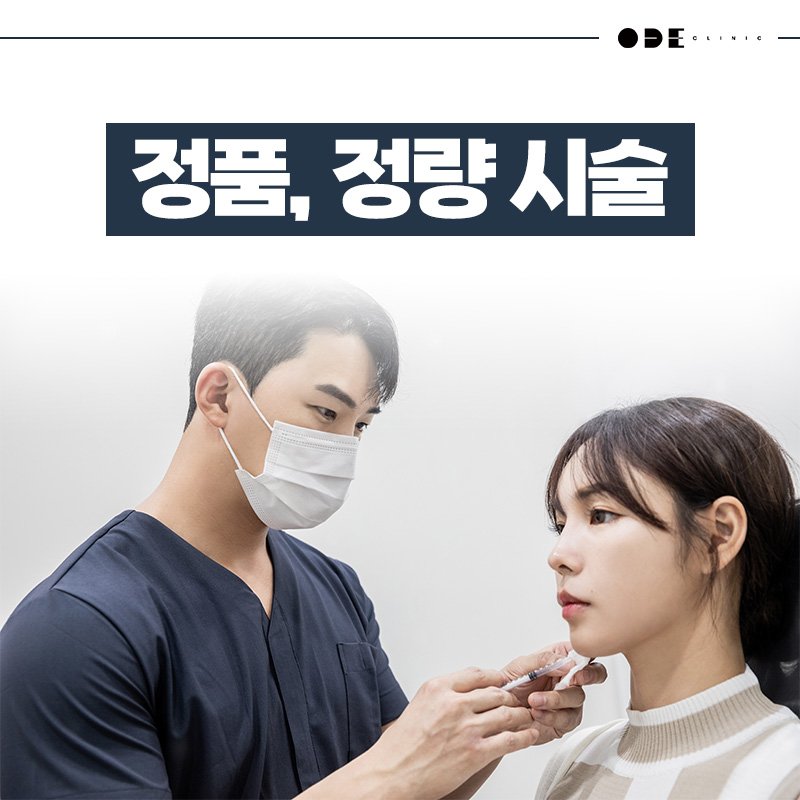
A considered plan includes more than choosing a procedure. Patients should understand preparation, potential reactions, follow-up, and how progress will be assessed. Ode Clinic’s consultation process is designed to discuss these practical points before treatment. Clear expectations and an opportunity to ask questions are central to an informed decision. If a recommendation is unclear, ask the doctor to explain the purpose of each step.
Preparing for consultation
Before your visit, make a short list of your main concerns and any questions about treatment. Note relevant medical conditions, allergies, medications, and previous aesthetic procedures so you can discuss them with the doctor. If you have a particular event or travel plan in mind, mention the timing as well. This gives the doctor context when discussing a procedure and its expected recovery.
You do not need to arrive with a device or product already selected. It can be more helpful to explain what you have noticed and which change you would like to address first. During the consultation, ask how the suggested option works, what alternatives may be relevant, and whether more than one visit is part of the proposed plan. Discuss costs for the recommended treatment before proceeding. The decision should reflect both the medical assessment and your preferences.
Preparation makes the consultation more productive: describe your concern, share your health history, and ask about the proposed plan. A treatment should make sense to you before you agree to it.
Points to consider before treatment
Every procedure has considerations that should be reviewed individually. Depending on the treatment, these can include discomfort, redness, swelling, bruising, or other complications. Energy-based procedures and injections have different risk profiles, so ask the doctor about the specific procedure rather than relying on general advice. Share any relevant medical history and follow the instructions provided for your treatment.
It is also important to discuss what changes are realistic and when they may become visible. Some treatments are intended to produce changes gradually, while others work differently; individual responses vary. Ask how to care for the treated area, what symptoms to watch for, and how to contact our clinic if you have a concern afterward. If you are unsure about any part of the recommendation, take time to have your questions answered before proceeding.
Reviewing changes and follow-up
Follow-up gives the doctor and patient an opportunity to review the treatment area against the original goal. Ode Clinic uses diagnostic photographs for before-and-after comparison and offers follow-up consultations. This can be useful for tracking changes that are subtle or develop over time. The doctor can also discuss whether further care is appropriate rather than assuming that another procedure is necessary.
When reviewing progress, consider the concern you initially wanted to address: firmness, texture, hydration, facial volume, or sagging. A treatment aimed at one of these goals should be assessed in that context. Tell the doctor about any ongoing concerns or unexpected reactions, and ask how these should be managed. Keep any personalized aftercare instructions provided by our clinic.
A long-term approach can remain flexible. Your priorities, skin condition, and preferences may change, and a future recommendation should reflect those changes rather than follow an automatic schedule. Whether you are exploring your first consultation or reviewing a previous treatment, the next decision starts with a discussion of your current condition and goals.



Frequently Asked Questions
Q.What does Ode Clinic offer for anti-aging care?
A.Ode Clinic offers lifting and tightening, volume treatments, skin boosters, and anti-aging care. The treating doctor provides a direct consultation to discuss an individualized plan.
Q.Who might consider a consultation?
A.A consultation may be useful for someone concerned about skin firmness, texture, facial sagging, or volume loss. The doctor can assess the concern and discuss relevant options.
Q.What treatments can I discuss with the doctor?
A.Options include Ultherapy Prime, Thermage FLX, DEEP MODE XERF, Re2O, Juvelook Skin, and Juvelook Volume. The recommendation depends on the concern and the doctor’s assessment.
Q.What should I prepare before my visit?
A.Bring questions about your goals and be ready to discuss relevant medical conditions, allergies, medications, and previous procedures.
Q.Where is Ode Clinic, and how can I contact our clinic?
A.Ode Clinic is at 8F, Gyeongwon Building, 340 Gangnam-daero, Gangnam-gu, Seoul. For inquiries, call +82 2-569-0222.
Clinic Information
| Clinic | Ode Clinic |
|---|---|
| Specialty | Dermatology |
| Address | Seoul, Gangnam District, Gangnam-daero, 340 8F |
| Phone | +82 2-569-0222 |
| Website | https://odeclinicseoul.com/en |
 Ode Clinic