How the personalized XERF approach works
XERF is a radiofrequency treatment offered at Ode Clinic for concerns such as facial sagging, reduced skin firmness, and changes around the jawline or mouth. Our clinic uses DEEP MODE XERF, which delivers two radiofrequency frequencies during treatment. The personalized part of the approach is the planning: rather than applying the same pattern to every face, the doctor considers the patient’s concerns and the areas to be treated. The treatment plan should be discussed with the doctor before deciding whether XERF is appropriate.
What XERF is designed to address
XERF uses radiofrequency energy to heat tissue. Ode Clinic’s DEEP MODE protocol uses frequencies of 6.78 MHz and 2 MHz and is intended to reach deeper facial layers as part of a lifting and tightening plan. Patients may ask about it when they notice sagging around the mouth, a less-defined jawline, or a change in skin elasticity. These concerns do not all have the same cause, so a consultation helps determine which areas are relevant and what a treatment can reasonably address.
It is useful to distinguish skin firmness from facial volume. A patient may notice both looser skin and a hollowed area, but those observations do not automatically call for the same treatment. During consultation, describe the change that matters most to you and where you see it. This gives the doctor a clearer basis for discussing whether XERF, another treatment, or a different plan fits your goals. Outcomes differ between individuals, and changes may take time depending on individual condition.
Personalization begins with a clear description of the concern, not a preset shot count. XERF can be part of a lifting and tightening plan, but the doctor’s assessment determines whether it fits the individual patient.
Why treatment planning matters
Two people may both request treatment for the jawline but have different concerns about skin firmness, facial shape, or volume. At Ode Clinic, the treating doctor conducts a one-on-one consultation and discusses the treatment design with the patient. This conversation is an opportunity to identify the areas that matter most and to ask how the proposed treatment relates to them. The doctor can also discuss the number and distribution of shots as part of the plan.
A personalized plan is not simply a larger treatment package. Ask what each proposed treatment area is intended to address and how the doctor will select the shot count. It is also reasonable to discuss your schedule, comfort, budget, and preferences before agreeing to treatment. These details help make the plan practical as well as clinically considered. Ode Clinic’s approach emphasizes listening to each patient and choosing treatment according to individual needs rather than using a uniform plan.
Understanding DEEP MODE and cooling
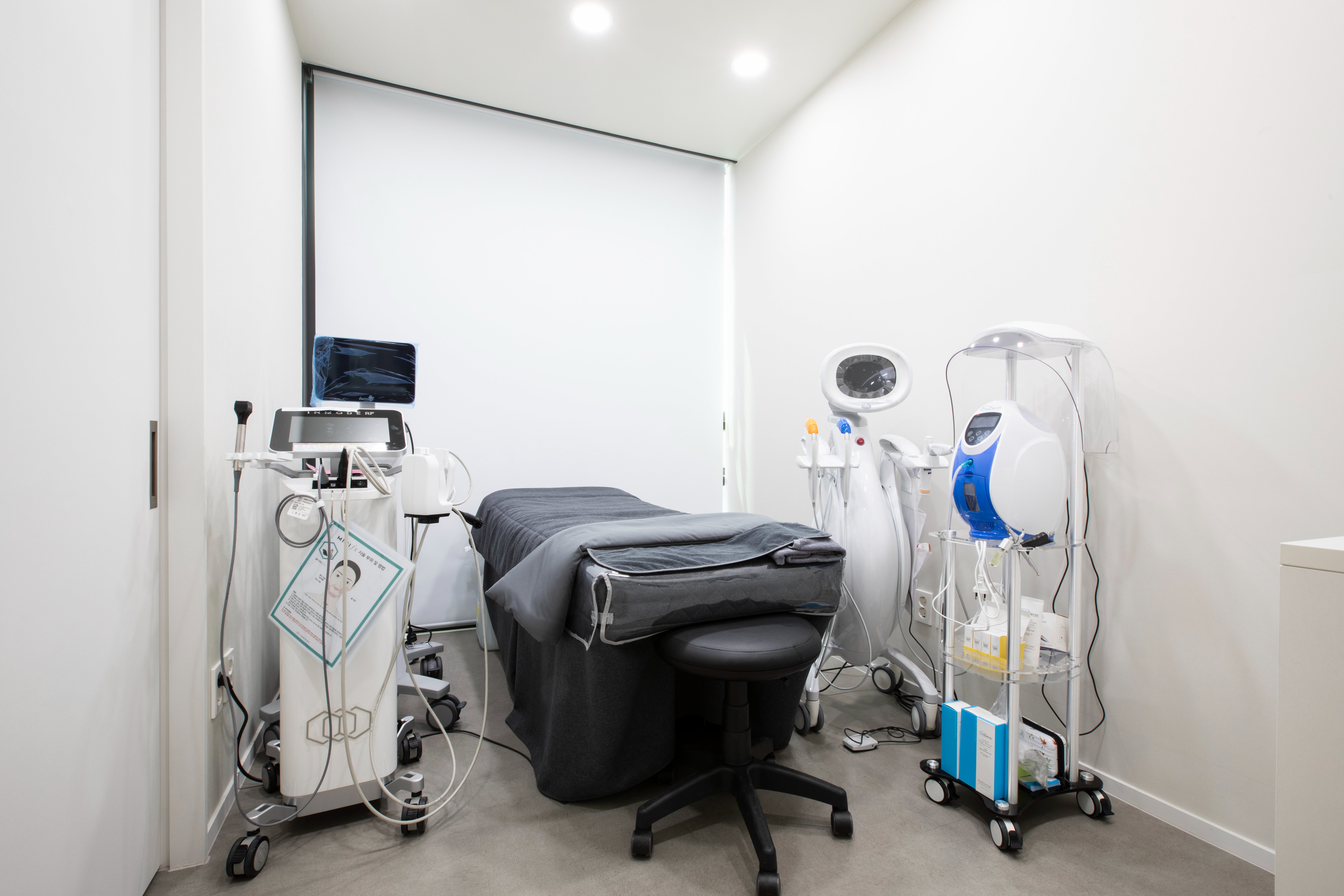
Ode Clinic uses XERF exclusively in DEEP MODE. The protocol is designed to deliver energy to deeper tissue, and the device includes cooling to support comfort during treatment. Cooling does not mean that every patient will experience the procedure in the same way. If you are concerned about discomfort, raise that concern during consultation and ask the doctor what to expect throughout the session.
The time needed for treatment depends on the plan discussed with the doctor. Rather than arranging your visit around an assumed duration, leave room for consultation and any questions you want answered. Ask how the proposed areas and shot count affect your appointment, and discuss any schedule constraints beforehand. Understanding the plan before treatment makes it easier to decide whether it suits your priorities.

Planning a personalized XERF approach at Ode Clinic
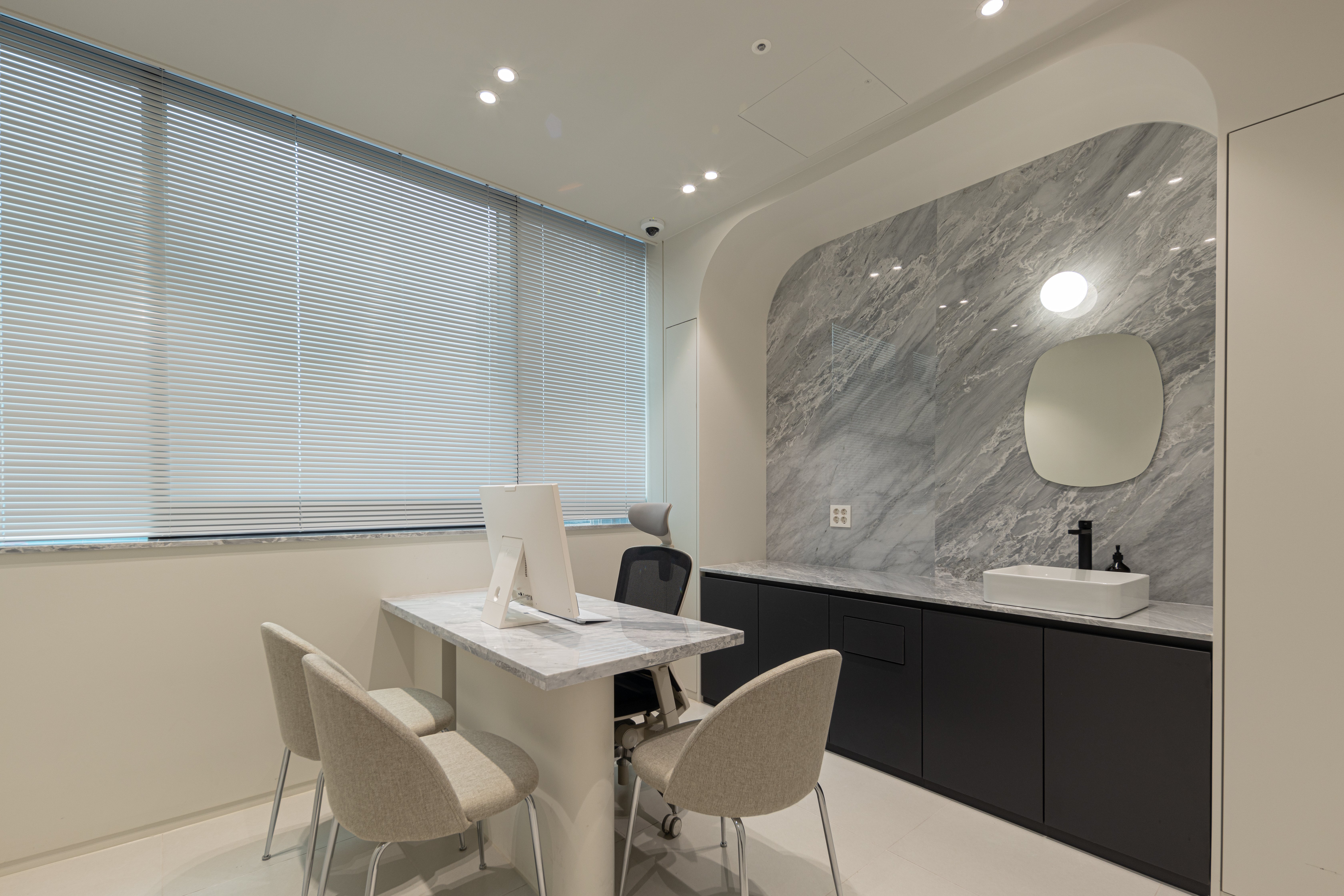
A useful consultation connects the treatment to a specific concern. At Ode Clinic, the doctor discusses the patient’s needs, anticipated timing of changes, cost, and potential side effects when considering treatment recommendations. Patients can also ask how XERF compares with other lifting, tightening, or volume options. The goal is an informed choice, not a commitment to a particular device before assessment. Consultation and treatment take place in private rooms, supporting a focused discussion of personal concerns.
Prepare for a direct consultation
Before your appointment, make a short list of the changes you have noticed and the areas you would like to discuss. It can also help to consider whether your priority is facial contour, skin firmness, volume, or a combination of concerns. Tell the doctor about previous cosmetic treatments, relevant medical conditions, medications, and any concerns about treatment discomfort. This information gives the doctor context for discussing suitability and planning.
Bring questions about the procedure as well as your goals. You might ask which areas the doctor recommends treating, how many shots are proposed, and what changes are realistic for your individual condition. If you have a particular event or travel schedule in mind, mention it so that timing can be discussed. The treating doctor conducts the consultation directly, allowing questions about the proposed plan to be addressed by the person performing the procedure.
A productive consultation makes the treatment rationale clear: what is being addressed, where energy will be delivered, and why the proposed shot count was chosen. It should also leave room to discuss comfort, timing, and cost.
Compare options by treatment goal
Ode Clinic offers treatments beyond XERF, including Ultherapy Prime and Thermage FLX. These options use different technologies and are discussed according to the patient’s concerns. For example, Ultherapy uses focused ultrasound, while Thermage uses radiofrequency for skin tightening. The choice is not a matter of selecting a universally preferable device; it depends on the area, the type of change being addressed, and the doctor’s assessment.
Volume concerns may call for a separate discussion. Ode Clinic also offers treatments such as Hilowave and Juvelook Volume, but a listing of services is not a recommendation to combine them with XERF. Ask the doctor whether a volume treatment is relevant to your goals and, if so, how it would fit into an individual plan. A clear comparison should explain the purpose of each option rather than treating every procedure as interchangeable.
Review shot counts and pricing
The number of XERF shots is part of the treatment design, not a measure of how well a session will suit every patient. At Ode Clinic, the doctor discusses the proposed count and treatment areas during consultation. The following prices are for DEEP MODE XERF and exclude value-added tax. The appropriate option depends on the treatment plan.
| DEEP MODE XERF | Price before tax |
|---|---|
| 300 shots | KRW 1,000,000 |
| 600 shots | KRW 1,900,000 |
| 900 shots | KRW 2,750,000 |
| Eye XERF, 300 shots | KRW 1,100,000 |
When reviewing the estimate, ask which areas are included and whether the proposed count is intended for the full plan discussed with the doctor. If you are considering another procedure, ask for its cost separately rather than assuming it is included. Price is one part of the decision; the treatment objective, suitability, and expected course of changes also deserve attention.
Points to consider with a personalized XERF approach
Knowing what happens before and after treatment helps patients make a measured decision. Discuss your health history, potential reactions, and follow-up expectations with the doctor before proceeding. Radiofrequency treatment can cause discomfort, and reactions such as redness or swelling may occur; burns or blistering are rare but important to discuss. Contact the medical staff if you have concerns after treatment or experience a reaction that worries you. Individual experiences and outcomes differ.
Discuss suitability and comfort
Give the doctor an accurate account of your medical history and any previous procedures in the areas you want treated. Mention implanted devices, pregnancy, active skin concerns, or other health questions so the doctor can assess whether treatment is appropriate. Do not assume that a treatment is suitable simply because it is offered for the concern you have noticed. An assessment is needed to make that decision.
It is also reasonable to ask how discomfort is managed and what sensations to expect. The XERF device includes cooling, but sensitivity differs from person to person. Tell the medical staff if you feel uncomfortable during treatment so the doctor can respond. Before your visit, ask whether any preparation is needed for your individual circumstances rather than relying on a generic routine. The same principle applies to aftercare: follow the instructions given for your treatment and raise any questions before leaving.
Safety and comfort are part of the treatment plan, not separate issues to consider afterward. Share relevant health information before the procedure and speak up if you have concerns during or after it.
Set expectations for visible change
Patients often want to know when they will see a difference and how long it will last. Those questions are worth discussing, but the answer depends on the individual and the treatment plan. Some changes may take time to develop. Ask the doctor what is reasonable to look for in the areas being treated, and avoid judging the result against another patient’s experience.
Ode Clinic uses diagnostic photographs, including two-dimensional and three-dimensional imaging, for before-and-after comparisons. Discuss whether imaging and a follow-up review are appropriate for your plan. Comparing images can help structure a conversation about change, but photographs should be considered alongside your own observations and the doctor’s assessment. If a concern remains, explain where you notice it and ask what the next step would be rather than assuming that another treatment is automatically needed.
Make the plan fit your priorities
A well-considered plan should reflect more than the name of a device. It should connect your main concern to a proposed treatment area, explain the shot count, and account for your preferences about timing and cost. If part of the recommendation is unclear, ask the doctor to explain it before proceeding. You can also discuss alternatives if the proposed plan does not fit your goals.
Ode Clinic’s commitments include attentive listening, personalized treatment, and consistent care before and after procedures. For patients considering XERF, those principles begin with an open conversation about what treatment can address and what remains uncertain. Choose a plan you understand, and keep the medical staff informed about any questions that arise during your care.



Frequently Asked Questions
Q.What does Ode Clinic offer?
A.Ode Clinic is a dermatology clinic offering lifting and tightening, volume, skin booster, anti-aging, and body treatments. XERF is one of its lifting and tightening options.
Q.Who might consider XERF?
A.XERF may be discussed by people concerned about facial sagging, skin firmness, or changes around the jawline and mouth. The doctor assesses whether it suits the individual patient.
Q.How is XERF treatment planned at Ode Clinic?
A.The treating doctor provides a one-on-one consultation and discusses the treatment areas and shot count. Ode Clinic uses XERF in DEEP MODE.
Q.What should I prepare before a consultation?
A.Be ready to describe your main concerns, previous cosmetic treatments, relevant medical history, and questions about comfort or timing. This helps the doctor discuss a treatment plan with you.
Q.Where is Ode Clinic, and how can I contact the clinic?
A.Ode Clinic is at 8F, Gyeongwon Building, 340 Gangnam-daero, Gangnam-gu, Seoul. Call +82 2-569-0222; clinic hours are Monday to Friday, 11:30 AM to 8:30 PM, and Saturday and Sunday, 10:00 AM to 4:00 PM, with no lunch break.
Clinic Information
| Clinic | Ode Clinic |
|---|---|
| Specialty | Dermatology |
| Address | Seoul, Gangnam District, Gangnam-daero, 340 8F |
| Phone | +82 2-569-0222 |
| Website | https://odeclinicseoul.com/en |
 Ode Clinic