
How a customized Ultherapy Prime plan is created
Ultherapy Prime is a focused ultrasound treatment used to address facial sagging. Rather than applying the same pattern to every face, a personalized plan considers where laxity is most noticeable, how much facial volume is present, and what kind of change the patient hopes to see. At Ode Clinic, the doctor who performs the procedure conducts the consultation directly. The aim is to select treatment areas and a treatment approach that fit the individual, not simply to choose a device.
Start with the concern, not the treatment
Patients often notice more than one change at the same time: a less defined jawline, sagging cheeks, or reduced skin firmness. These concerns do not necessarily have the same cause, so they deserve separate discussion. Ultherapy Prime is used for lifting concerns, while other approaches may be considered for skin texture or lost volume. Describing what bothers you in your own words gives the doctor a useful starting point for the assessment.
Before the consultation, consider which area you notice first and whether your concern is primarily sagging, skin texture, volume loss, or a combination. You can also explain whether you prefer a subtle change and how treatment might fit around your schedule. The doctor can then assess your facial characteristics and discuss what Ultherapy is intended to address. A treatment plan should reflect both the anatomy being treated and the outcome you are seeking. If your goals point toward a different approach, the consultation is an opportunity to discuss that before committing to a procedure.
A useful plan begins with a clear assessment of the concern and the facial features involved. Ultherapy Prime is one option for sagging, but the consultation should establish whether it matches your priorities.
Understand how focused ultrasound works
Ultherapy Prime delivers high-intensity focused ultrasound to selected depths beneath the skin. The energy creates small thermal coagulation points in deeper tissue, including the superficial muscular aponeurotic system, or SMAS. This process is intended to support a lifting effect. Changes may take time depending on individual condition, and the extent of visible change differs from person to person.
Depth and placement matter because facial anatomy is not uniform. The cheeks, jawline, and brow area differ in their underlying tissue and in the amount of volume present. During planning, the doctor considers these differences alongside the location of sagging and the patient’s goals. For someone concerned about a lean face or existing hollowness, that concern is particularly important to raise. The doctor can discuss how to approach the area and whether Ultherapy is appropriate. No treatment design can promise a particular appearance, so the conversation should include realistic expectations as well as the intended treatment areas.
Identify areas for assessment
Ultherapy Prime may be considered for concerns around the eyebrows and eyelids, sagging cheeks, the area around the nasolabial folds, and the jawline or under-chin area. The areas selected for one person will not necessarily be suitable for another. Pointing out a specific concern helps the doctor assess whether focused ultrasound addresses it or whether another discussion is needed.
It is also helpful to distinguish the location of a visible fold from the tissues contributing to its appearance. For example, a fold may be noticed beside the mouth, while the consultation may also consider the position and volume of the cheek. Area selection is a clinical decision, not a menu of interchangeable treatment zones. Ask the doctor to explain why each proposed area is relevant to your goals.
| Area of concern | What to discuss |
|---|---|
| Brow and eyelid area | Whether the visible concern relates to sagging and is suitable for treatment |
| Cheeks and nasolabial folds | The balance between sagging and existing facial volume |
| Jawline and under the chin | Where laxity is most noticeable and which areas to assess |
Bring up any previous cosmetic procedures in the areas you want assessed, including injectable treatments. Tell the doctor about medical conditions, medications, and any concerns about treatment comfort. This information helps the doctor consider your individual circumstances and explain the proposed approach. If you are unsure whether a detail is relevant, include it in the discussion rather than deciding on your own.
Comparing options in a customized Ultherapy Prime plan
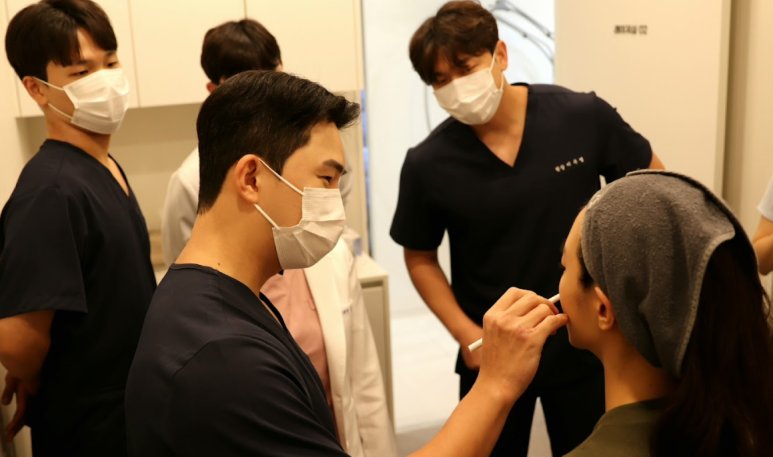
Ultherapy Prime is designed for lifting, but a treatment plan can also account for firmness, texture, and facial volume. Ode Clinic offers Ultherapy alongside radiofrequency treatments, injectable volume treatments, and skin boosters. These approaches address different concerns and should not be treated as direct substitutes for one another. During consultation, the doctor can explain whether Ultherapy alone is appropriate or whether another option better matches the concern you want to address.
Lifting and tightening have different roles
Ultherapy uses focused ultrasound to target deeper tissue for lifting. Thermage FLX, by contrast, uses radiofrequency energy in the dermis to support collagen remodeling and skin tightening. A patient concerned mainly about sagging may have different priorities from someone concerned mainly about firmness or fine lines. The doctor can assess both concerns and discuss which approach is relevant.
The distinction does not mean that every face needs more than one device. It means that the reason for selecting a treatment should be clear. If your main concern is a change in facial contour, ask how the proposed treatment is intended to address it. If skin texture or firmness matters more, ask whether a tightening treatment deserves consideration instead. Some patients discuss combining approaches, but a combination should have a specific purpose rather than being assumed necessary. Treatment timing, potential side effects, cost, and your preferences all belong in that conversation.
Lifting and tightening are related goals, but they are not identical. A clear explanation of what each treatment is intended to address makes it easier to decide whether Ultherapy belongs in your plan.
Consider facial volume separately
Some patients seeking lifting also notice hollowing or a reduction in facial volume. Ultherapy is not a filler, and it should not be presented as a way to replace lost volume. Ode Clinic also offers injectable treatments, including fillers and collagen-stimulating options. The doctor can assess whether a volume concern calls for a separate discussion and whether an injectable treatment is appropriate.
If you are worried about looking hollow, explain where you notice the change and whether it developed before or after previous treatment. The doctor can consider existing facial volume when discussing the proposed ultrasound treatment areas. An injectable option is not automatically necessary: suitability depends on the assessment, the specific concern, and the patient’s preferences. It is also reasonable to ask about the purpose of any proposed additional procedure, its potential risks, and how it would fit into the overall plan. Each part of a combined plan should have a clear reason.
Discuss comfort and points to consider
Focused ultrasound treatment can involve discomfort, so tell the doctor if you are concerned about pain or have had difficulty with previous procedures. Ode Clinic offers Airnox nitrous oxide sedation as a comfort option for Ultherapy. Ask how it is used and whether it is suitable for you. The consultation should also cover the potential risks of treatment and what to expect afterward.
Temporary tenderness, redness, or swelling can occur after ultrasound treatment. Less common complications can include burns, nerve effects, or unwanted changes in facial volume. Discuss the risks relevant to your treatment areas and medical history with the doctor. If symptoms are severe, worsening, or concerning after a procedure, contact the clinic promptly; seek urgent medical care for an emergency.
Comfort is only one part of a considered decision. Ask how the proposed areas and treatment approach relate to your facial anatomy, and make sure you understand the expected recovery and follow-up arrangements. You should have an opportunity to raise questions before proceeding. Ode Clinic’s approach emphasizes listening to patient feedback and maintaining consistent care before and after a procedure.
Preparing for your customized Ultherapy Prime plan
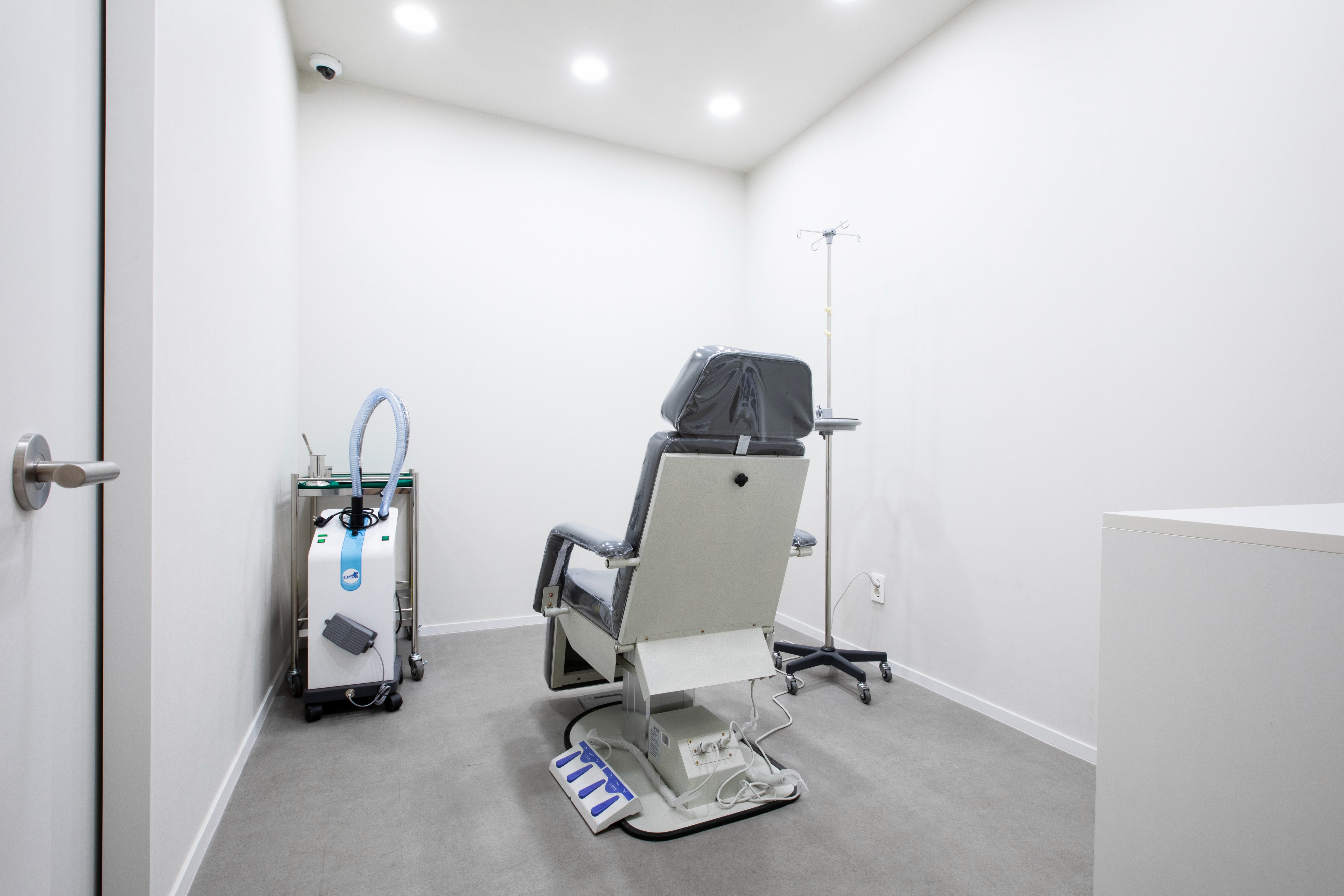
A productive consultation brings your goals, medical history, and practical questions together. At Ode Clinic, consultation and treatment take place in a private room, and the treating doctor discusses the plan directly with the patient. The discussion can cover the proposed areas, comfort options, expected timing of changes, and cost. Understanding the plan before treatment is more useful than choosing on price or shot count alone.
Prepare for the consultation
Make a short list of the areas you want assessed and the questions you do not want to forget. Include previous lifting or injectable procedures, relevant medical conditions, medications, and any concerns about facial volume. If you have a particular event or travel schedule in mind, mention it so the doctor can discuss timing and what to expect.
During the consultation, ask the doctor to explain which concerns Ultherapy is intended to address and which concerns may need a different approach. You can also ask how the proposed treatment areas were selected, what discomfort to expect, and what care or follow-up is recommended. If another procedure is discussed, ask whether it is essential to your stated goal or simply an option to consider. A clear plan should leave room for questions and an informed decision. You do not need to arrive having already chosen the treatment.
Preparation helps the doctor understand both your priorities and your medical history. Use the consultation to clarify the purpose, practical details, and potential risks of the proposed treatment.
Understand pricing and treatment planning
Ode Clinic lists Ultherapy Prime at ₩350,000 for 100 shots, excluding VAT. The total for an individual plan depends on the treatment design and the number of shots recommended. Ask for a clear explanation of the proposed areas and total cost before deciding. A listed unit price is useful, but it does not by itself describe the complete treatment plan.
The number of shots is only one part of the discussion. Placement and the areas selected should relate to your facial anatomy and the concern being treated. Ask the doctor why the proposed plan is appropriate for you and whether any additional procedure is being suggested. If another treatment is discussed, its purpose and cost should be explained separately. This makes it easier to compare the recommendation with your priorities rather than assuming that a larger treatment is necessarily a better fit.
Plan for follow-up and realistic expectations
After treatment, follow the instructions given by the medical staff for your individual circumstances. Ask whom to contact if you have questions or develop symptoms that concern you. Ode Clinic uses before-and-after diagnostic photography and follow-up consultations to help review changes. Photos can support a discussion of progress, although they cannot predict an individual result.
Some changes may be noticed sooner than others, and changes may take time depending on individual condition. Ultherapy treatment intervals are commonly discussed in the range of six to twelve months, but a repeat treatment should be considered in light of your response and goals. The doctor can explain whether and when reassessment is appropriate for you.
When reviewing your plan, return to the concern that brought you to the consultation. Ask what change is reasonable to look for, when to review it, and what the next step would be if your priorities change. A personalized approach is not limited to the procedure itself: it includes an informed discussion beforehand and an opportunity to review the outcome afterward.



Frequently Asked Questions
Q.What does Ode Clinic offer for facial lifting?
A.Ode Clinic offers Ultherapy Prime, a focused ultrasound treatment used to address facial sagging. The treating doctor conducts a one-on-one consultation to discuss the patient’s concerns and treatment options.
Q.Who might consider Ultherapy Prime?
A.It may be considered by patients concerned about sagging around the cheeks, brow area, jawline, or under the chin. The doctor assesses individual facial anatomy and goals before recommending treatment.
Q.Can Ultherapy be combined with another treatment?
A.Ode Clinic also offers Thermage FLX, fillers, and skin boosters. The doctor can discuss whether another treatment addresses a separate concern and whether a combination is appropriate.
Q.What should I prepare for my consultation?
A.Bring questions about your treatment goals and share relevant medical history, medications, and previous cosmetic procedures. You can also discuss discomfort, expected changes, and the proposed cost with the doctor.
Q.Where is Ode Clinic, and how can I contact the clinic?
A.Ode Clinic is at 8F, Gyeongwon Building, 340 Gangnam-daero, Gangnam-gu, Seoul, Korea. For consultation inquiries, call +82 2-569-0222.
Clinic Information
| Clinic | Ode Clinic |
|---|---|
| Specialty | Dermatology |
| Address | Seoul, Gangnam District, Gangnam-daero, 340 8F |
| Phone | +82 2-569-0222 |
| Website | https://odeclinicseoul.com/en |
 Ode Clinic