
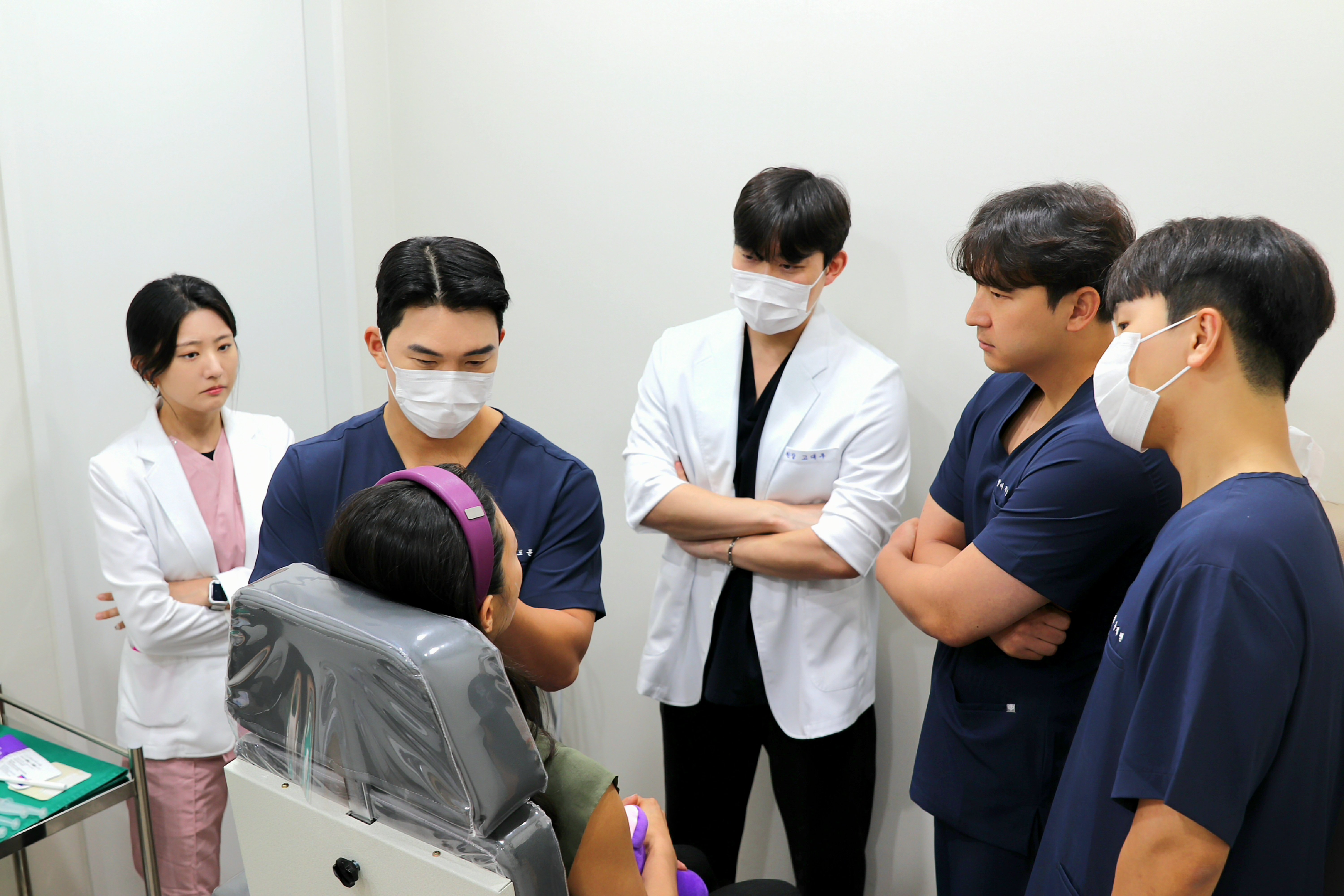
Preparing for a Personalized Thermage FLX Treatment
Good preparation begins before the appointment: identify the changes you hope to address and be ready to discuss your skin and treatment history. Thermage FLX is a monopolar radiofrequency treatment that delivers energy to the dermis, where it supports collagen contraction and remodeling. It is generally used for tightening rather than directly lifting sagging tissue, so understanding its purpose helps set realistic expectations. A consultation is the right time to decide whether Thermage FLX fits your concerns and overall treatment plan. At Ode Clinic, the medical staff discuss individual needs rather than applying one plan to every patient.
Clarify your goals before the consultation
Before visiting, note the areas or skin changes that matter most to you. You might be concerned about skin firmness, texture, or wrinkles; describing these concerns in your own words helps the doctor understand what you want to address. It is also useful to consider whether you prefer gradual changes and how treatment timing fits your plans. Clear priorities make the consultation more focused. If you have questions about what Thermage FLX can and cannot address, write them down so you can discuss them directly with the medical staff.
Thermage FLX works through radiofrequency energy in the dermis and is intended to improve skin firmness rather than create a direct contour lift. This distinction matters when deciding whether the treatment matches your main concern. The medical staff can assess your skin and discuss how Thermage FLX compares with other available options at Ode Clinic, including lifting treatments, when relevant. Recommendations take into account individual needs, timing of results, duration of effects, cost, and potential side effects. A treatment plan should reflect your goals and assessment, not simply the name of a device.
Start with the concern you want to address, then use the consultation to determine whether Thermage FLX is appropriate. Knowing that it is a tightening treatment with gradual changes helps you discuss expectations clearly and make an informed decision.
Gather relevant health and treatment information
Prepare a concise account of relevant medical history, current medications, allergies, and previous aesthetic treatments. The doctor can use these details when reviewing your suitability and planning care. Include any skin concerns or changes you have noticed, even if they seem unrelated to your main reason for visiting. Do not stop or change prescribed medication on your own; raise questions about it during the consultation. Accurate information supports a more considered discussion of treatment options and safety.
If you have had previous procedures, note what was done and approximately when, if you know. This context can help the medical staff understand what treatments have already been considered or performed. Share any prior reactions or experiences that may affect your comfort or expectations. You do not need to arrive with a preferred shot count or a predetermined plan: the doctor can discuss an appropriate approach after assessing your skin and goals. Honest, complete communication is more useful than trying to anticipate what the clinic wants to hear.
Plan practical questions in advance
Consider asking what Thermage FLX is intended to address in your case, how the treatment plan will be designed, and when changes may become noticeable. Ode Clinic describes Thermage changes as gradual, developing over approximately six months. This is useful context when choosing a treatment date or setting expectations. Ask how follow-up is handled and what guidance applies to your individual situation. Use the appointment to resolve uncertainties before deciding whether to proceed.
You can also ask how the doctor distinguishes tightening needs from concerns that may call for a different approach. Ode Clinic offers a range of lifting and tightening equipment, allowing options to be discussed during consultation. Bring a short list of questions, but leave room for the conversation to change based on the assessment. Treatment choices should reflect your skin condition and priorities rather than a general schedule or someone else’s experience. This makes preparation practical without turning it into a self-diagnosis.
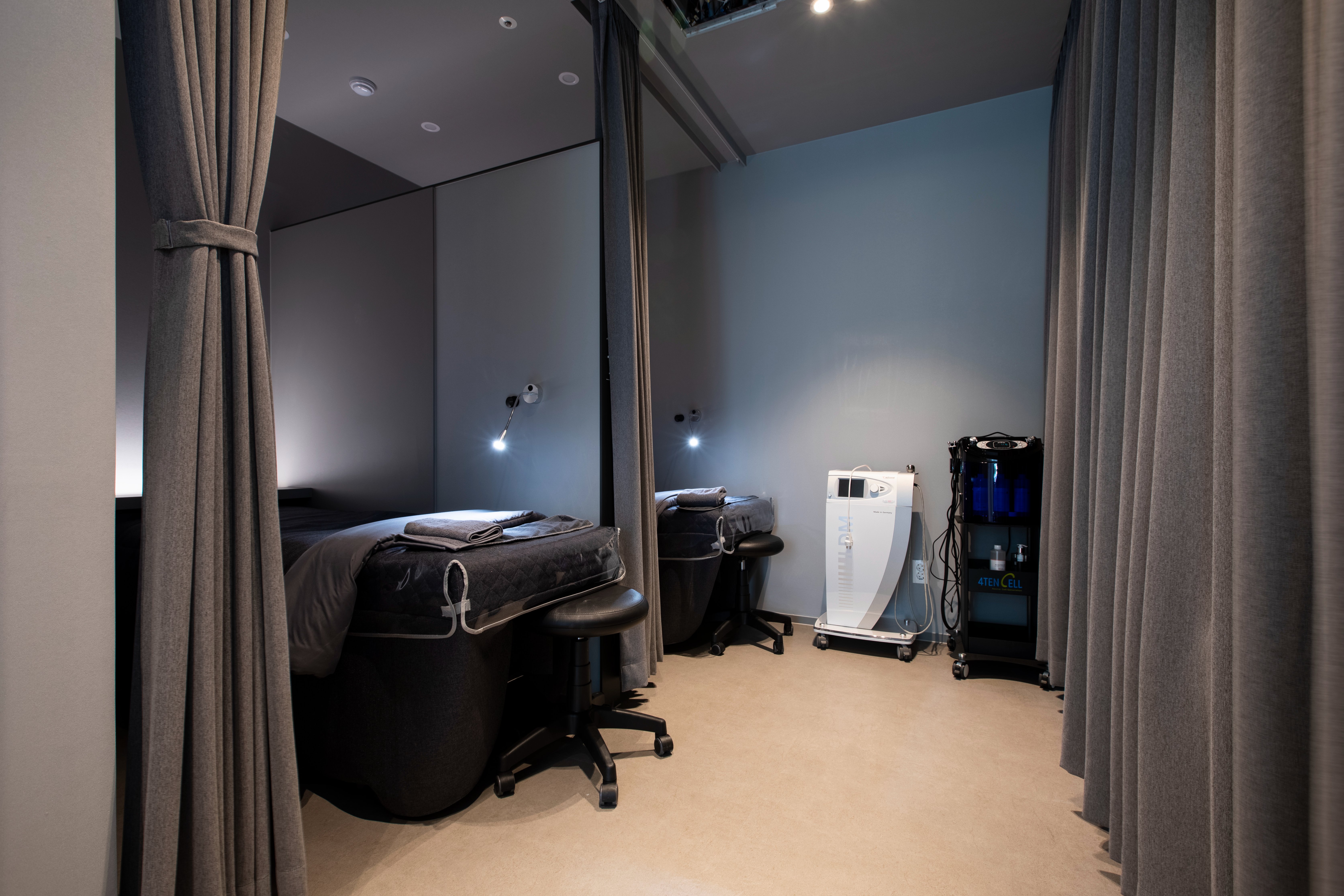
It may help to organize your visit around the clinic’s stated care sequence. The consultation and design stage is followed by re-consultation, a private-room procedure, customized care, and departure. Knowing the sequence can help you understand where questions and treatment planning fit into the visit. Ask the medical staff about any personal preparation or aftercare directions that apply to your case. Follow the specific instructions given for your appointment, since individual needs can differ.
| Care step | What it covers |
|---|---|
| Arrival | Check in for your visit |
| One-on-one consultation and design | Discuss concerns and plan treatment |
| Re-consultation | Review the plan before the procedure |
| Private-room procedure | Complete the planned treatment |
| Customized care | Receive care tailored to your visit |
| Departure | Conclude the appointment |
Preparation does not require arriving with every decision already made. Bring the information that can help the medical staff understand your health and goals, and use the consultation to discuss options and practical details. If the assessment suggests another approach, ask how it relates to your priorities. A considered decision is more valuable than choosing a procedure before your concerns have been reviewed.

Understanding a Personalized Thermage FLX Treatment Plan
A personalized plan connects the treatment’s purpose with your skin condition and expectations. Thermage FLX uses monopolar radiofrequency to deliver energy to the dermis, supporting collagen contraction and remodeling. It is not the same as a treatment designed to lift tissue directly, and results are not described as an immediate, dramatic contour change. At Ode Clinic, the medical staff can discuss Thermage alongside other options where appropriate. The aim of consultation is to match the proposed approach to your needs, rather than assume one device suits everyone.
Know what Thermage FLX is designed to do
Thermage FLX is a radiofrequency tightening treatment. Energy delivered to the dermis supports collagen contraction and remodeling, with changes developing gradually. Ode Clinic describes the process as subtle changes within the skin’s layers rather than a direct lifting effect. This helps explain why it may be considered for firmness, texture, wrinkles, or concerns related to skin laxity, while a different treatment may be discussed when lifting is the primary goal. Understanding the distinction can make your consultation more productive.
It is reasonable to ask the doctor which of your concerns Thermage FLX may address and which may need a different approach. The answer depends on an individual assessment, including the skin condition and desired outcome. The clinic’s available equipment includes several lifting and tightening options, so a conversation can consider more than one modality where relevant. No device is suitable for every concern, and the medical staff can explain the reasoning behind a recommendation. Keep the discussion centered on your own assessment, rather than comparing your treatment plan with another person’s.
Thermage FLX is a radiofrequency tightening option, not a direct lifting procedure. A useful plan explains how that purpose relates to your skin concerns and whether another approach should also be considered.
Set expectations around gradual changes
Changes after Thermage FLX are gradual and may develop over approximately six months. That timeline can help you decide when to schedule treatment in relation to personal plans, while keeping expectations realistic. Individual responses differ, so the timeline should be discussed as general guidance rather than a promise about a particular result. Ask the doctor what changes are reasonable to monitor in your case and when follow-up may be useful.
Because the treatment focuses on tightening, it should not be expected to create the same effect as a procedure intended to lift sagging tissue directly. Ode Clinic describes Thermage as producing subtle layer changes rather than dramatic contour shifts. If your primary concern is a change in facial position or contour, explain that clearly during consultation. The medical staff can review whether Thermage FLX aligns with that goal or whether another option should be discussed. Clear expectations are part of sound treatment planning, not a reason to dismiss your concerns.
Discuss comfort and treatment logistics
Before proceeding, ask what the appointment will involve and what comfort options are available for your situation. Ode Clinic’s treatment information notes an Airnox option for Thermage. The medical staff can discuss whether it is appropriate and explain the details relevant to your visit. Avoid assuming that another patient’s experience will match yours; comfort can be personal, and questions are best addressed with the doctor before treatment begins.
Ode Clinic’s stated care process includes consultation, re-consultation, a procedure in a private room, and customized care. Use the consultation to clarify the plan, how the procedure will be carried out, and what guidance you should follow afterward. The doctor can also discuss the timing and expected pace of change. If you have a concern that affects comfort or makes you uncertain about proceeding, raise it before the procedure. Knowing what to expect can help you make a more informed choice without assuming that every visit follows an identical plan.
Compare options through your priorities
Ode Clinic offers multiple lifting and tightening devices, including Thermage, Ultherapy, EMFACE, XERF, Density, Onda, and Shurink. Their presence does not mean that you need to combine treatments. Instead, it allows the medical staff to discuss available approaches in light of your needs. Ask how the options differ in purpose and which concerns each one is intended to address. A recommendation should be explained in terms you can understand before you decide.
When comparing treatments, focus on your main concern, preferred timing, and the type of change you hope to see. The clinic’s approach also considers duration of effects, cost, and potential side effects. You do not need to choose based only on popularity or device names. If a recommendation is unclear, ask the doctor to explain how it relates to your assessment. This conversation can help you decide whether to proceed with Thermage FLX, discuss an alternative, or take time to consider your options.
It can be useful to ask whether the plan is intended to address firmness, sagging, volume, or a combination of concerns. These goals are not interchangeable, and a treatment’s purpose affects how it should be evaluated. Ode Clinic’s categories include volume, lifting and tightening, anti-aging, skin booster, and body programs. Sharing which concern matters most gives the medical staff a clearer basis for discussing a suitable approach.
Do not treat a proposed plan as fixed before the consultation. The doctor may refine it after reviewing your skin and discussing your priorities. You can ask what each part is intended to do and whether it is necessary for your goals. Understanding the purpose of each recommendation helps you make a deliberate decision rather than agreeing to a plan you do not fully understand.
If you are deciding between Thermage FLX and another option, ask for a clear comparison based on your condition rather than a universal ranking. The most useful plan is one you understand, feel comfortable discussing, and can evaluate against your personal priorities. Bring your questions, listen to the rationale, and take time to decide if needed.
Final Checks for a Personalized Thermage FLX Treatment
Before confirming treatment, review the plan, expected timeline, and any questions that remain. Thermage FLX produces gradual changes, and Ode Clinic describes its effect as tightening rather than direct lifting. Your consultation should make clear how this relates to your goals, what other options may be relevant, and what practical guidance applies to you. Preparation is not about following a rigid checklist; it is about sharing useful information and making an informed decision with the medical staff.
Review the plan before the procedure
At the re-consultation stage, confirm that the treatment plan still reflects the concerns you discussed. Ask what area or skin issue the plan is intended to address, how the procedure will proceed, and what changes may take time. If something has changed since your initial discussion, tell the doctor before treatment. This is also the moment to clarify comfort questions or any health information you did not mention earlier. Do not hesitate to ask for an explanation before agreeing to proceed.
A clear plan should connect your assessment with the procedure being proposed. If Thermage FLX is recommended, make sure you understand its role as a radiofrequency tightening treatment and how its gradual timeline fits your expectations. If another treatment is discussed, ask why it may be more relevant to a particular concern. The purpose is not to make the conversation complicated, but to ensure that you understand the reasoning and can make a considered choice. Consent is most meaningful when the treatment’s purpose and practical details are clear to you.
Before treatment, confirm that the plan matches your goals and that you understand the expected pace of change. Use the re-consultation to raise new information, ask about comfort, and clarify anything that remains uncertain.
Follow the guidance given for your visit
Preparation and aftercare instructions should be discussed with the medical staff in relation to your individual situation. Share any new medications, skin changes, or health concerns that arise before the appointment. Do not rely on a generic online checklist to replace guidance from the clinic, and do not change prescribed medication without advice from the prescribing professional. Personal details can affect what instructions are appropriate for you.
At the end of the visit, ask which changes are expected to develop gradually and what follow-up the clinic recommends. Ode Clinic describes objective before-and-after comparisons using skin diagnostic photos and follow-up consultations as part of its approach. These can support a structured discussion of change over time, but they do not remove individual variation. If you have a concern after treatment, contact the clinic for guidance rather than trying to interpret it based only on another person’s experience. Keep the instructions you receive so you can refer to them afterward.
Make the appointment decision with confidence
Consider whether you understand the treatment’s purpose, expected timeline, and alternatives. If those points are clear and the plan addresses your priorities, you can decide whether to proceed. If not, ask for more information or take time to consider. The medical staff can discuss the factors that inform a recommendation, including your needs, timing, duration of effects, cost, and potential side effects. A careful decision is a normal part of personalized care.
When arranging a visit, prepare your questions and relevant medical or treatment history in advance. Ode Clinic provides one-on-one consultations and a treatment process that includes planning and re-consultation before the procedure. You can use the consultation to clarify personal preparation and practical arrangements. There is no need to arrive with a final treatment decision; the consultation is where suitability and options are discussed.
Contact Ode Clinic directly if you need to arrange a consultation or clarify appointment details. The clinic is located at Seoul, Gangnam District, Gangnam-daero, 340 8F, and can be reached at +82 2-569-0222. When you contact the clinic, briefly describe what you would like to discuss so your visit can focus on your concerns.
Keep the main points in mind: Thermage FLX is a radiofrequency tightening treatment, changes may take time, and a consultation helps determine whether it fits your needs. Share relevant health information, ask about the treatment plan, and follow the specific guidance provided for your visit. Informed preparation supports a clearer conversation and a more considered choice.
Once you have discussed the plan, use your own priorities to decide whether and when to proceed. If the treatment is not a fit for your main concern, ask about other approaches rather than choosing it by default. A thoughtful consultation gives you the information needed to make that decision.



Frequently Asked Questions
Q.What kind of clinic is Ode Clinic?
A.Ode Clinic is a dermatology clinic in Seoul offering lifting and tightening, anti-aging, skin booster, volume, and body programs. Its medical staff discuss treatment options through one-on-one consultations.
Q.Who may consider Thermage FLX?
A.People seeking to discuss radiofrequency skin tightening may ask whether Thermage FLX fits their concerns. The doctor assesses individual needs and explains whether the treatment or another approach is appropriate.
Q.How does the treatment work?
A.Thermage FLX uses monopolar radiofrequency energy in the dermis to support collagen contraction and remodeling. Changes are gradual, and the treatment is described as tightening rather than direct lifting.
Q.What should I prepare before visiting?
A.Prepare a list of your concerns, relevant medical history, current medications, and previous aesthetic treatments. Bring questions about the treatment plan, comfort, and expected timeline to the consultation.
Q.Where is Ode Clinic, and how can I contact it?
A.Ode Clinic is at Seoul, Gangnam District, Gangnam-daero, 340 8F. Call +82 2-569-0222 to ask about arranging a consultation.
Clinic Information
| Clinic | Ode Clinic |
|---|---|
| Specialty | Dermatology |
| Address | Seoul, Gangnam District, Gangnam-daero, 340 8F |
| Phone | +82 2-569-0222 |
| Website | https://odeclinicseoul.com/en |
 Ode Clinic