
How doctor led Ultherapy Prime works
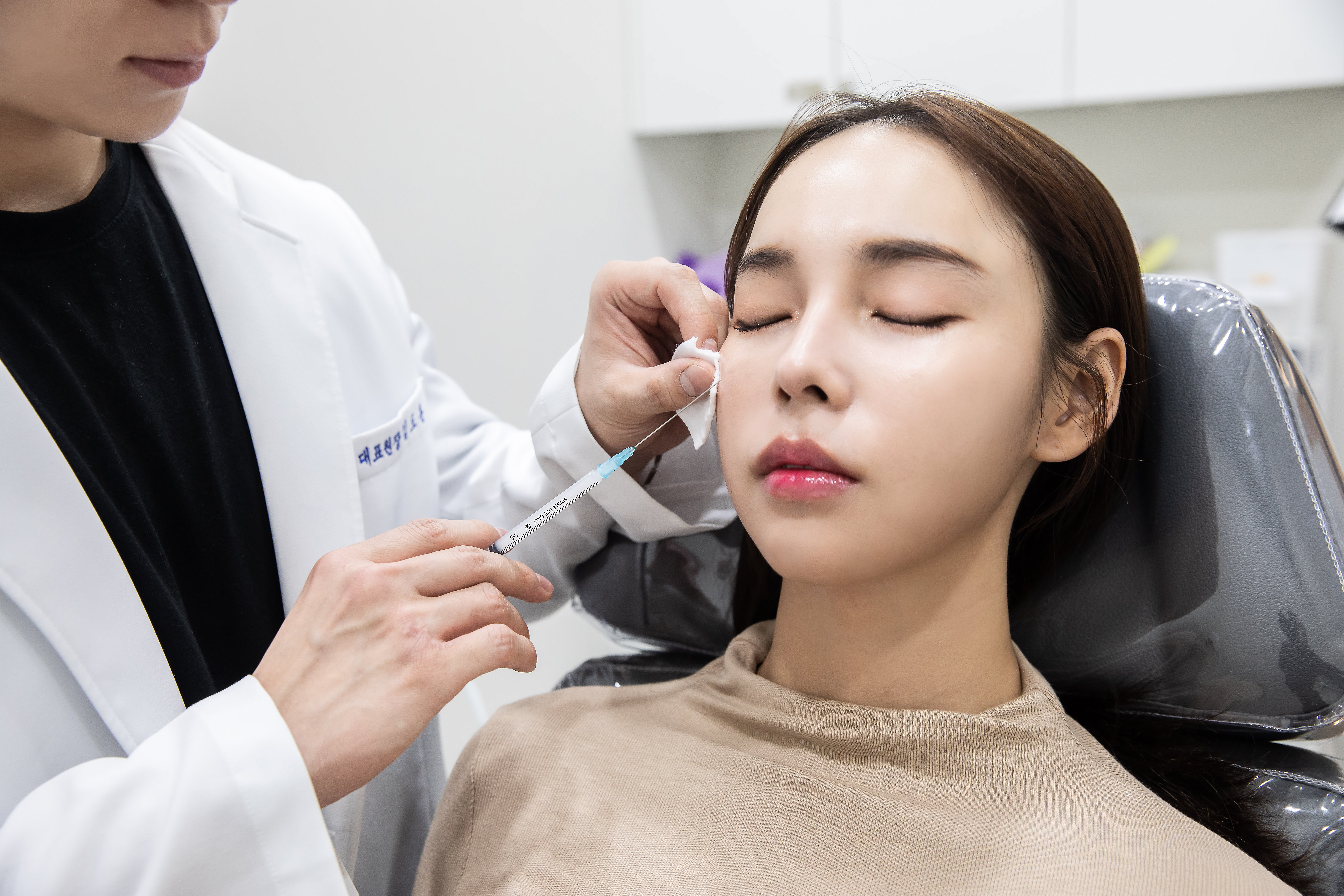
Ultherapy Prime is a focused ultrasound treatment used to address facial sagging. It delivers concentrated energy beneath the skin, including to a deeper support layer known as the superficial musculoaponeurotic system, or SMAS. The goal is to create controlled points of heat in the tissue. Treatment planning matters because the areas addressed and the way energy is distributed should reflect each person’s facial structure and concerns. At Ode Clinic, the doctor who performs the procedure discusses the treatment plan with you directly.
Focused ultrasound and facial support
Focused ultrasound concentrates energy at selected depths beneath the skin. The resulting heat creates small treatment points in the targeted tissue, which can lead to tissue contraction and subsequent remodeling. The SMAS is a layer of tissue involved in facial support; it sits beneath the skin and superficial fat. Understanding the target layer helps explain why Ultherapy is discussed as a lifting treatment, rather than simply as a surface treatment for skin texture.
The treatment is not intended to change every aspect of facial appearance in the same way. A person concerned about sagging along the jawline, for example, may have a different goal from someone primarily concerned about fine lines or dryness. During consultation, the doctor can examine the areas you want to address and discuss whether focused ultrasound is appropriate for those concerns. Changes may take time depending on individual condition, and the degree of change differs from person to person. A discussion of expectations before treatment helps establish what can reasonably be assessed afterward.
Ultherapy uses focused ultrasound to address deeper facial support, but the treatment plan should start with your individual concerns. A direct discussion with the treating doctor helps connect the choice of treatment to the changes you hope to see.
Lifting and tightening are not identical goals
The terms lifting and tightening are often used together, but they describe different priorities. Lifting focuses on the appearance of sagging and facial contours. Tightening generally refers to improving skin firmness, including through treatments that target the dermis. Both concerns can occur at the same time, but a single device is not necessarily the right answer for every concern. The distinction is useful when discussing what bothers you most.
For example, if your main concern is a change in the outline of your lower face, tell the doctor which areas you notice rather than asking only for “tighter skin.” If your priority is texture or firmness, explain that too. Ode Clinic offers lifting, tightening, volume, and skin booster treatments, so the consultation can consider the nature of the concern rather than assuming that every patient needs the same approach. The doctor can explain the purpose of a recommended treatment and how it relates to your goals. A treatment recommendation should follow an assessment, not precede it.
Areas commonly discussed
Ultherapy can be considered for concerns around the eyebrows and eyelids, cheeks, nasolabial folds, jawline, and area beneath the chin. These areas do not all require the same treatment design. Facial anatomy, skin condition, existing volume, and the pattern of sagging are relevant to the discussion. Identifying the area that matters most to you can help the doctor understand your priorities and explain what treatment may involve.
It can also be useful to distinguish between a contour concern and a volume concern. A sunken area and a sagging area may look related, but addressing them requires different considerations. If you have a lean face or are concerned about hollowing, raise that during the consultation. The doctor can assess facial volume when deciding whether Ultherapy is suitable and how to approach the treatment.
| Area of concern | What to discuss with the doctor |
|---|---|
| Eyebrows and eyelids | The appearance of sagging around the upper face |
| Cheeks and nasolabial folds | Changes in facial support and existing cheek volume |
| Jawline and beneath the chin | Changes in the definition of the lower facial contour |
The areas listed are discussion points, not a recommendation to treat every region. Your doctor will consider your concerns together with an examination before proposing a plan. If you are unsure whether what you notice is sagging, reduced volume, or a change in skin texture, describe the change in your own words. That is a useful starting point for a consultation and can help clarify which treatment category deserves consideration.
Planning doctor led Ultherapy Prime at Ode Clinic
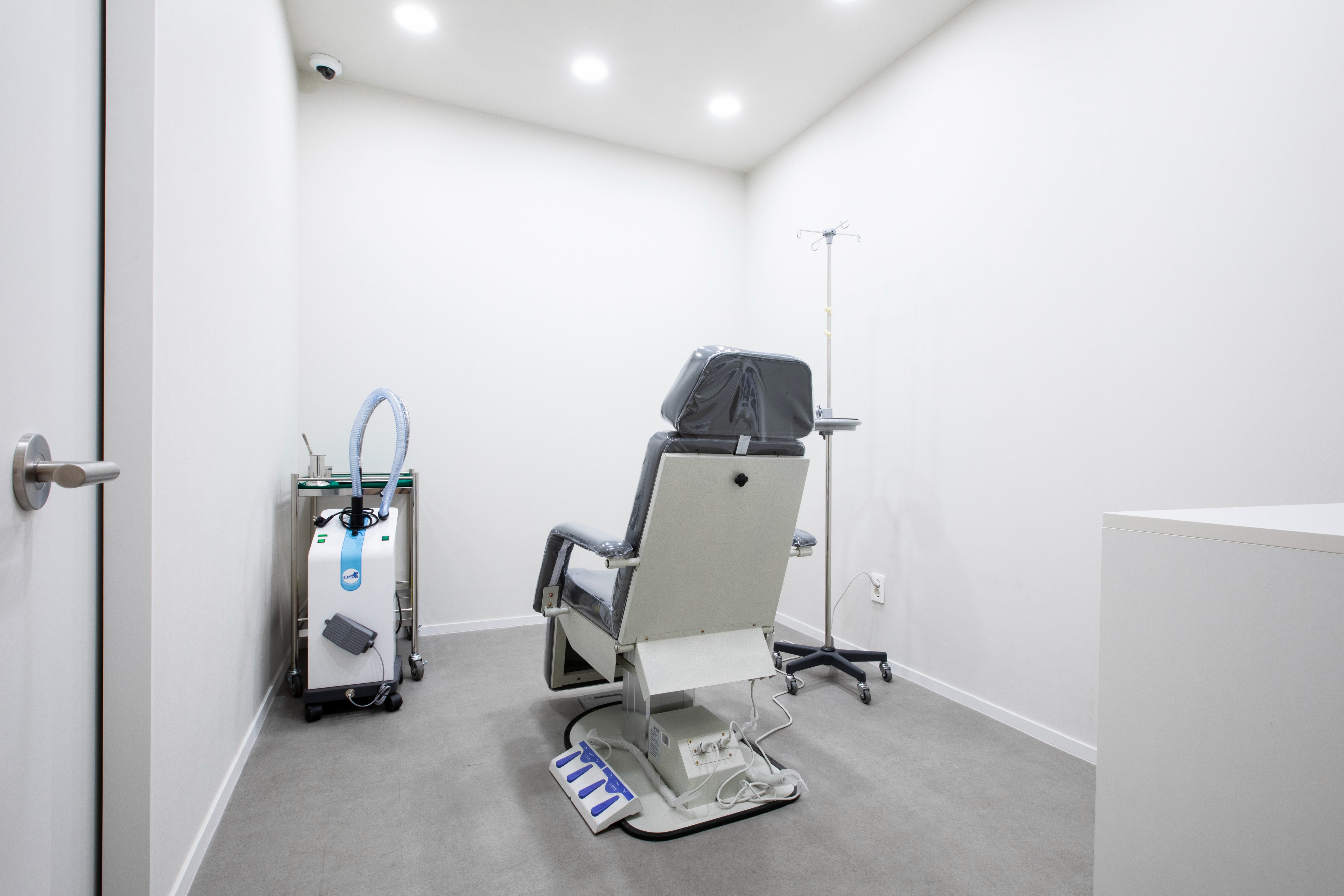
At Ode Clinic, the doctor who performs the procedure conducts the consultation directly. The discussion covers your concerns and the treatment options relevant to them, including the timing of changes, cost, and potential side effects. The medical staff have clinical experience with lifting procedures and injectable treatments, including fillers. The purpose of the consultation is to develop a personalized plan rather than apply a uniform treatment design. You can also use this time to ask how progress will be assessed.
What to bring to your consultation
Come prepared to explain which areas concern you and what kind of change you are hoping for. It is also helpful to share relevant medical history, previous facial procedures, medications, and any concerns about discomfort. If you have had a treatment elsewhere, describe what was done and when, as accurately as you can. This information gives the doctor context for an assessment and an opportunity to discuss any precautions.
Consider your practical priorities as well. You may want to ask about the number of treatment shots proposed, the areas included, and the expected cost of your individual plan. If you have a scheduled event or other time constraints, mention those before deciding on treatment. You can also ask how any temporary changes after the procedure might affect your plans. Ode Clinic uses diagnostic photographs and follow-up consultations to compare changes, so ask how this process applies to your treatment. The aim is to leave the consultation understanding both the proposed procedure and the reasons behind it.
A useful consultation covers more than the device name: it connects your concerns, facial anatomy, comfort, and budget to a treatment plan. At Ode Clinic, that discussion takes place with the doctor who performs the procedure.
Comfort during the procedure
Focused ultrasound treatment can cause discomfort, and comfort needs differ between patients. Tell the doctor if you are concerned about pain or have had difficulty with previous procedures. Ode Clinic offers nitrous oxide sedation as a comfort option for Ultherapy. The doctor can discuss whether it is appropriate for you and explain what to expect before you make a decision.
Use the consultation to discuss your medical history and any questions about sedation, including how it may affect your visit. You do not need to decide on a comfort option before speaking with the doctor. It is also reasonable to ask what sensations to expect during treatment and how to communicate if you feel uncomfortable. Comfort planning is part of the treatment discussion, not a substitute for an individual medical assessment. The doctor can explain the approach proposed for you and answer questions about the procedure before it begins.
Points to consider before treatment
As with any procedure that delivers energy to tissue, potential side effects and suitability should be discussed in advance. Temporary redness, swelling, or tenderness can occur, while less common complications are also possible. Ask the doctor what signs to watch for and how to contact Ode Clinic if you have a concern after treatment. Share any relevant health conditions and medications so the doctor can assess precautions.
It is equally important to discuss expectations. Ultherapy is intended to address sagging, but the visible change and its timing depend on individual condition. It is not a substitute for every type of skin or volume treatment. If your main concern falls outside what focused ultrasound is intended to address, the doctor can explain other options offered at Ode Clinic. That conversation is especially useful before committing to a specific procedure.
Before leaving your consultation, make sure you understand the proposed treatment areas, the comfort approach, and the follow-up plan. Ask whether your current skin condition or previous procedures affect the recommendation. If any part of the plan is unclear, request an explanation in terms of your own goals. A considered decision is easier when you know why a treatment has been suggested and what it can—and cannot—address.
Cost and follow-up for doctor led Ultherapy Prime
Ultherapy Prime pricing depends on the treatment plan, including the number of shots proposed. At Ode Clinic, the listed price is KRW 350,000 for 100 shots, excluding value-added tax. This is a unit price rather than a quote for every patient. The doctor can discuss the number of shots and areas appropriate to your assessment, and Ode Clinic can explain the resulting cost before you decide whether to proceed.
How to understand a treatment quote
When reviewing a quote, ask what treatment areas and shot count it covers. A number on its own does not explain how treatment will be distributed across the face or whether the plan matches your priorities. A useful discussion connects the proposed shot count to your anatomy and concerns. It should also make clear which charges apply, including tax, before you consent to treatment.
It is reasonable to consider price alongside the clinical assessment rather than treating it as the sole deciding factor. Two people interested in the same procedure may have different concerns, facial volume, and treatment areas. For that reason, an individual plan may differ from the listed unit price. Ask the doctor to explain why the proposed approach suits your situation, and ask Ode Clinic to clarify the total cost. If you are comparing options, focus on what each plan is intended to address and whether you understand the expected course of care.
The listed shot price is a starting point, not a complete individual quote. Ask how the proposed areas and shot count relate to your concerns, and review the total cost before treatment.
Assessing changes after treatment
Changes after focused ultrasound treatment may develop over time, and individual responses differ. Ode Clinic uses diagnostic photographs and follow-up consultations to support before-and-after comparisons. These can provide a more consistent way to review a treated area than relying on memory alone. Ask the doctor when a follow-up assessment would be useful for your plan.
During follow-up, describe both what you have noticed and any questions you still have. You may find it helpful to revisit the goals discussed before treatment: for instance, whether you were most concerned about the cheeks, jawline, or area beneath the chin. Photographs can support that discussion, but they should be considered alongside your own observations and the doctor’s assessment. If you experience a symptom that concerns you after the procedure, contact Ode Clinic rather than waiting for a routine comparison. The medical staff can advise you on the appropriate next step.
Considering future treatment
Ode Clinic describes an Ultherapy treatment cycle of approximately every six to twelve months. This is not a schedule that every patient needs to follow. The appropriate timing depends on your condition, your goals, and the assessment at follow-up. Discuss whether another treatment is appropriate rather than booking one solely because a suggested interval has passed.
A future plan can also take account of concerns that were not the focus of the original procedure. For example, if you are considering treatment for skin texture or facial volume as well as sagging, discuss those priorities with the doctor. Ode Clinic offers treatments across lifting and tightening, volume, and skin boosting. The doctor can explain which concerns each proposed approach is intended to address.
Ultimately, the value of a doctor-led plan lies in ongoing communication. Start with a clear account of what you want to address, review the proposed treatment and cost, and use follow-up to discuss the changes you observe. Individual assessment remains central at each stage. Whether Ultherapy is suitable for you is a decision to make with the treating doctor after a consultation.



Frequently Asked Questions
Q.What does Ode Clinic offer?
A.Ode Clinic is a dermatology clinic in Seoul offering lifting and tightening, volume, skin booster, anti-aging, and body treatments. The doctor who performs the procedure conducts the consultation directly.
Q.Who might consider Ultherapy Prime?
A.Ultherapy Prime may be considered by people concerned about sagging around the eyebrows, cheeks, jawline, or area beneath the chin. The doctor assesses facial structure and individual concerns before recommending treatment.
Q.How does Ultherapy Prime work?
A.Ultherapy Prime uses focused ultrasound to deliver energy beneath the skin, including to a deeper facial support layer. The treatment is intended to address sagging, with changes and responses differing by individual.
Q.What does Ultherapy Prime cost?
A.The listed price at Ode Clinic is KRW 350,000 for 100 shots, excluding value-added tax. The total cost depends on the proposed treatment plan.
Q.Where is Ode Clinic, and how can I contact the clinic?
A.Ode Clinic is at 8F, Gyeongwon Building, 340 Gangnam-daero, Gangnam-gu, Seoul. To ask about a consultation, call +82 2-569-0222.
Clinic Information
| Clinic | Ode Clinic |
|---|---|
| Specialty | Dermatology |
| Address | Seoul, Gangnam District, Gangnam-daero, 340 8F |
| Phone | +82 2-569-0222 |
| Website | https://odeclinicseoul.com/en |
 Ode Clinic