Boutique Aesthetic Clinic Seoul: Understanding the Services
People looking for aesthetic care often begin with a treatment name, but the more useful starting point is the concern behind it. At ODE Clinic, services include lifting and tightening, volume treatments, skin boosters, anti-aging care, and body programs. Each category addresses a different aspect of appearance, from skin firmness and texture to changes in facial volume. A consultation helps establish which concern is most important before a treatment plan is selected. The doctor can also explain how the proposed approach relates to the patient’s skin condition and expectations.
Starting with a one-on-one consultation
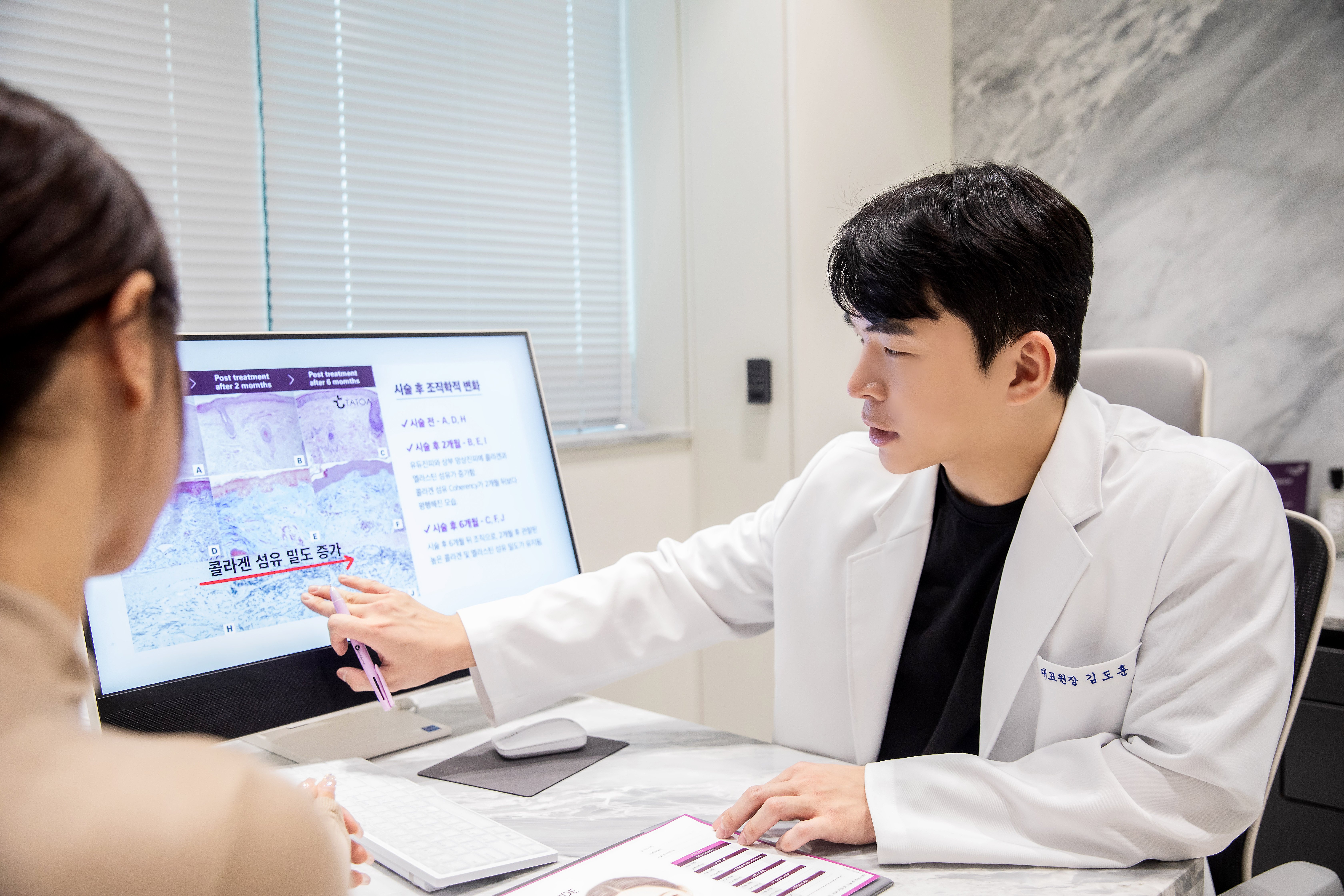
At ODE Clinic, the doctor who performs the procedure conducts the consultation. This gives patients an opportunity to discuss their goals directly with the person responsible for treatment. The conversation can cover the areas of concern, previous procedures, and the kind of change the patient hopes to see. It is also a chance to ask about the treatment process and follow-up. A named treatment is a starting point for discussion, not a substitute for an individual assessment.
A useful consultation begins with a clear description of what has changed and what matters most to the patient. For example, a person concerned about the lower face may be noticing sagging, a loss of volume, a change in skin firmness, or a combination of these. Those concerns do not necessarily call for the same procedure. The doctor can assess the relevant areas and explain whether a lifting treatment, a tightening device, an injectable, or another approach is appropriate. Patients should also discuss their medical history, medications, allergies, and previous aesthetic treatments. These details help the doctor consider treatment suitability and potential risks. ODE Clinic’s recommendations take account of the patient’s needs, the timing and duration of changes, cost, and possible side effects. Understanding those trade-offs is part of making an informed decision.
A consultation is most useful when it identifies the concern before settling on a device or injectable. At ODE Clinic, the treating doctor discusses the options directly with the patient and considers both the intended change and the practical details.
How lifting, tightening, and volume differ
Lifting treatments are intended to address the appearance of sagging, while tightening treatments focus on skin firmness. Volume treatments, by contrast, are used to address areas that appear hollow or depleted. The distinction matters because a change in facial contour can have more than one cause. A patient seeking a firmer appearance may not need the same treatment as someone primarily concerned about hollow cheeks. The doctor’s assessment helps connect the treatment category to the patient’s concern.
ODE Clinic offers device-based options such as Ultherapy Prime, Thermage FLX, XERF, and Density Alpha, as well as injectable volume treatments. Ultherapy uses focused ultrasound, while Thermage and Density use radiofrequency energy. Injectable options include fillers and treatments designed to stimulate collagen production. These approaches work differently and should not be treated as interchangeable. For instance, radiofrequency tightening is intended to improve firmness, whereas a volume treatment addresses fullness in a selected area. Some patients may discuss more than one category during consultation, but a combination is not automatically necessary. The treatment plan should reflect the individual’s anatomy, priorities, and understanding of the expected course of change. Patients can ask the doctor to explain why a proposed option fits their main concern and what it is not intended to address.
Skin boosters and body programs
Skin boosters focus on concerns such as hydration, texture, fine lines, pores, and elasticity, depending on the product and treatment approach. ODE Clinic offers options including Re2O, Juvelook Skin, Rejuran, and Skinvive. These are distinct from volume treatments, even when some products have similar names or are discussed in the same consultation. The doctor can explain the intended treatment area and the reason for recommending a particular product.
For patients interested in body treatment, ODE Clinic also offers Body ONDA Lifting and Emsculpt Neo. Body ONDA uses microwave energy and is offered for areas including the upper arms, abdomen, and thighs. Emsculpt Neo combines radiofrequency with focused electromagnetic energy and is offered for areas including the abdomen, buttocks, arms, and thighs. The treatment area and choice of procedure are matters for individual discussion rather than assumptions based on a device name.
| Service category | Examples at ODE Clinic | Primary discussion point |
|---|---|---|
| Lifting and tightening | Ultherapy Prime, Thermage FLX, XERF, Density Alpha | Sagging and skin firmness |
| Volume | Filler, Juvelook Volume, Sculptra | Facial fullness and selected hollow areas |
| Skin boosters | Re2O, Juvelook Skin, Rejuran, Skinvive | Texture, hydration, and elasticity |
| Body programs | Body ONDA Lifting, Emsculpt Neo | Body treatment goals and target areas |
These categories provide a way to navigate the menu, but they do not replace an examination. A patient may describe a concern in everyday language that overlaps with more than one category. Bringing a short list of priorities to the consultation can help keep the discussion focused. It is also reasonable to ask whether a proposed treatment is intended to address the main concern directly or whether it has a different purpose. The answer should help the patient decide what to consider next.
Boutique Aesthetic Clinic Seoul: Comparing Treatment Options
Device-based and injectable treatments differ in how they are delivered and in the changes they are intended to produce. ODE Clinic offers a range of equipment and products, allowing the doctor to discuss options rather than starting with a single technique. The right comparison is not simply between treatment names: it is between their purposes, treatment areas, expected timing, and potential risks. A patient’s skin condition and preferences remain central to that discussion.
Ultrasound and radiofrequency treatments
Ultherapy Prime uses focused ultrasound and is offered for concerns involving sagging, including the cheeks and lower face. Thermage FLX uses radiofrequency energy to address skin firmness and texture. XERF and Density Alpha are also radiofrequency options at ODE Clinic; Density Alpha uses sequential bipolar and monopolar delivery. Each device has a distinct treatment approach, so patients should ask the doctor how the proposed option relates to the area and concern being assessed.
One practical distinction is between a desire for lifting and a desire for firmer skin. Ultherapy is discussed as a lifting option, while Thermage is used for tightening and collagen remodeling. Changes may take time depending on the treatment and the individual’s condition. Thermage, for example, is associated with gradual change rather than an immediate, dramatic contour shift. XERF is offered through ODE Clinic’s DEEP MODE protocol, while Density Alpha is another option for a discussion centered on firmness. Treatment planning also involves deciding which areas to address and how to deliver energy appropriately. During consultation, patients can ask what the procedure feels like, how the treatment area will be selected, and when a follow-up assessment would be useful. The doctor can explain the intended change without implying that every patient will respond in the same way.
Ultrasound and radiofrequency treatments have different roles, and a device name alone does not determine suitability. Begin with the concern—such as sagging or firmness—and ask how the proposed treatment is intended to address it.
Fillers and collagen-stimulating treatments
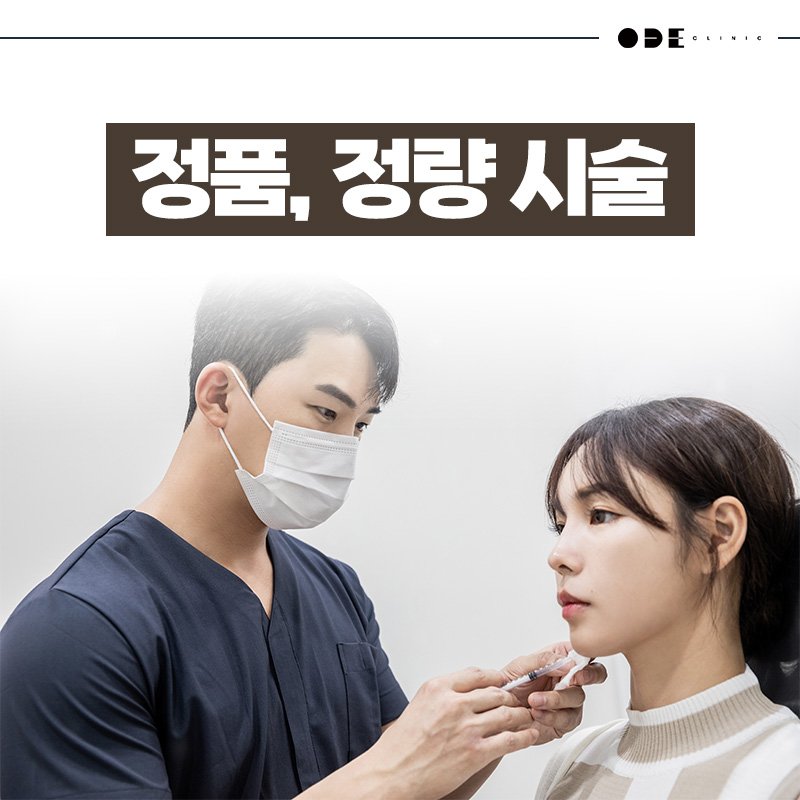
Volume treatments at ODE Clinic include fillers and collagen-stimulating injectables. Filler may be discussed for areas such as the under-eyes, cheeks, lips, or chin, depending on the assessment. Juvelook Volume and Sculptra are examples of treatments intended to stimulate collagen production. Their treatment courses and timing differ from those of filler, so patients should ask the doctor what kind of change to expect and how the proposed product will be used.
Juvelook Volume and Juvelook Skin have different roles: the former is used for volume concerns, while the latter is offered as a skin booster. Sculptra is another collagen-stimulating option discussed for areas such as the cheeks and nasolabial folds. ODE Clinic uses a nodule-prevention protocol for Juvelook Volume and Sculptra that includes adequate product hydration, one vial per patient, and attention to injection depth. Injection planning and product choice should be discussed with the treating doctor. Patients should also ask about possible swelling, bruising, nodules, and other procedure-specific risks. Injectable treatments have different considerations from energy-based devices, and the decision should account for the patient’s history as well as the intended treatment area. A consultation is the appropriate setting to review these points before proceeding.
Choosing a skin booster
Re2O uses processed human-derived dermal tissue and can be delivered at different skin depths according to the concern being addressed. Juvelook Skin contains a collagen-stimulating ingredient and can be delivered by injection or with Mirajet, a needle-free jet-pressure device. Rejuran is a polynucleotide skin booster, while Skinvive is a hyaluronic acid injectable offered for hydration. These differences matter when comparing treatments intended for texture, fine lines, or dry-looking skin.
Patients can make the conversation more specific by identifying whether dryness, rough texture, pores, fine lines, or elasticity is the main concern. The doctor can then explain the proposed product and delivery method. A skin booster should not be assumed to serve the same purpose as a facial filler or lifting device. It is also useful to ask about the recommended treatment course, the expected timing of changes, and what the skin may look or feel like afterward.
For skin texture and pores, ODE Clinic also offers Potenza, a microneedling radiofrequency treatment. Unlike an injectable skin booster, Potenza delivers radiofrequency energy through fine needles. The doctor can discuss whether it is relevant to the patient’s concerns and whether another approach is more appropriate. Patients considering any procedure should understand what will be applied or delivered to the skin, the areas involved, and the care instructions that follow.
Boutique Aesthetic Clinic Seoul: Planning Your Visit
Planning an aesthetic appointment involves more than selecting a procedure. It also means understanding the consultation, the treatment setting, the likely follow-up, and the practical commitment. ODE Clinic’s care process includes consultation and treatment planning, re-consultation, treatment in a private room, and customized care. Patients can use the appointment to ask questions before deciding whether to proceed. Clear expectations and an opportunity to discuss potential risks are important parts of the decision.
Preparing for the consultation
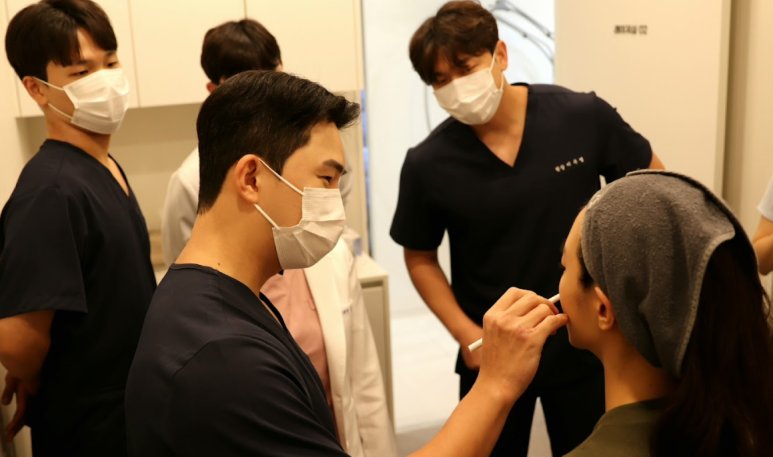
Before visiting, consider which areas or changes you would most like to discuss. It can help to note previous aesthetic procedures, relevant medical conditions, medications, and allergies so the doctor has the information needed for an assessment. If you have a treatment in mind, bring questions about its purpose rather than assuming it is the right choice. You can also explain any concerns about discomfort, recovery, scheduling, or the pace of visible change.
Patients who are comparing options may find it useful to ask the same practical questions about each one: What is the treatment intended to address? How is it performed? What are the potential side effects? When might changes become noticeable, and how will progress be reviewed? At ODE Clinic, the doctor can discuss these questions alongside the patient’s individual condition. The answers may differ between an energy-based treatment, an injectable, and a body program. Previous treatments are also relevant because the doctor needs to understand what has already been done in the area. Do not leave the consultation with uncertainty about the procedure you are considering. If a recommendation involves more than one treatment, ask what each component is intended to address and whether the proposed sequence fits your goals.
A little preparation makes the consultation more focused: identify your priorities and share relevant medical and treatment history. Before proceeding, make sure you understand the proposed procedure, its potential risks, and the plan for follow-up.
Points to consider before treatment
Every aesthetic procedure involves considerations as well as potential benefits. Depending on the treatment, patients may need to discuss discomfort, redness, swelling, bruising, or other risks with the doctor. Energy-based procedures and injections have different risk profiles, so a general description is not a substitute for procedure-specific advice. Patients should also understand that changes may take time and that the degree and timing of response depend on individual circumstances.
The practical details are equally important. Ask whether the proposed plan involves a single appointment or a course of treatments, what aftercare is recommended, and when to contact the clinic with a concern. If an injectable is proposed, ask which product will be used and what it is intended to do. If a device is proposed, ask how the treatment area will be selected and what the session involves. ODE Clinic’s consultation considers timing, cost, and potential side effects alongside the patient’s needs. The clinic also uses diagnostic photographs for before-and-after comparison and offers follow-up consultations. These tools support a more structured review of change, although photographs do not ensure a particular outcome. Patients should follow the individualized instructions given by the medical staff after treatment.
Reviewing costs and follow-up
Cost is one part of the decision, but it is most useful when considered alongside the proposed treatment plan. Ask for an explanation of the procedure, the treatment area, and any recommended course before comparing options. A plan involving more than one session or treatment may have different practical implications from a single appointment. The doctor can explain the clinical recommendation, while the clinic can clarify the applicable charges before treatment.
Follow-up is an opportunity to discuss changes and raise questions after a procedure. ODE Clinic uses skin diagnostic photographs, including two-dimensional and three-dimensional imaging, for before-and-after comparison. A follow-up consultation can help put those observations into context, particularly when changes develop gradually. If an unexpected or concerning symptom occurs after treatment, contact the clinic for advice rather than waiting for a routine review.
Ultimately, choosing care is a matter of matching the treatment to the concern and understanding the commitment involved. A patient interested in firmer skin may have different priorities from someone considering volume restoration or a body program. ODE Clinic’s one-on-one consultation provides a setting to discuss those priorities with the treating doctor. Take time to ask questions, consider the explanation, and decide whether the proposed approach is right for you.



Frequently Asked Questions
Q.What services does ODE Clinic offer?
A.ODE Clinic offers dermatology services including lifting and tightening, volume treatments, skin boosters, anti-aging care, and body programs.
Q.Who might consider a consultation at ODE Clinic?
A.A consultation may be useful for someone concerned about sagging, skin firmness, facial volume, texture, or a body treatment area. The treating doctor assesses the individual concern and discusses suitable options.
Q.What treatments can I discuss at ODE Clinic?
A.Options include Ultherapy Prime, Thermage FLX, XERF, fillers, Re2O, and Juvelook Skin. The doctor can explain how each proposed treatment relates to your goals.
Q.What should I prepare before my appointment?
A.Be ready to discuss your main concerns, relevant medical history, medications, allergies, and previous aesthetic procedures. You can also bring questions about treatment timing, potential side effects, and aftercare.
Q.Where is ODE Clinic, and how can I contact the clinic?
A.ODE Clinic is at 8F, Gyeongwon Building, 340 Gangnam-daero, Gangnam District, Seoul. Call +82 2-569-0222 to inquire about an appointment.
Clinic Information
| Clinic | Ode Clinic |
|---|---|
| Specialty | Dermatology |
| Address | Seoul, Gangnam District, Gangnam-daero, 340 8F |
| Phone | +82 2-569-0222 |
| Website | https://odeclinicseoul.com/en |
 Ode Clinic