How Customized Thermage FLX Treatment Works
Thermage FLX is a radiofrequency treatment focused on skin tightening. Its energy heats the dermis, encouraging collagen contraction and remodeling. This differs from procedures designed to lift tissue directly: Thermage FLX is associated with gradual changes in firmness, texture, and wrinkles rather than a dramatic shift in facial contour. The first planning step is to clarify whether skin laxity and texture are the main concerns, or whether another treatment goal takes priority. At Ode Clinic, the medical staff considers each patient’s skin condition and desired outcome before discussing a suitable plan.
Radiofrequency and collagen remodeling
Monopolar radiofrequency delivers heat into the dermis. The resulting collagen contraction and remodeling are the basis of the tightening approach. Thermage FLX is not designed to raise sagging tissue in the same way as a lifting procedure; instead, it addresses firmness and skin texture. This distinction matters when setting expectations. A patient seeking a substantial contour change may need to discuss whether tightening alone aligns with that goal, while someone focused on skin firmness may wish to consider radiofrequency as part of a tailored plan.
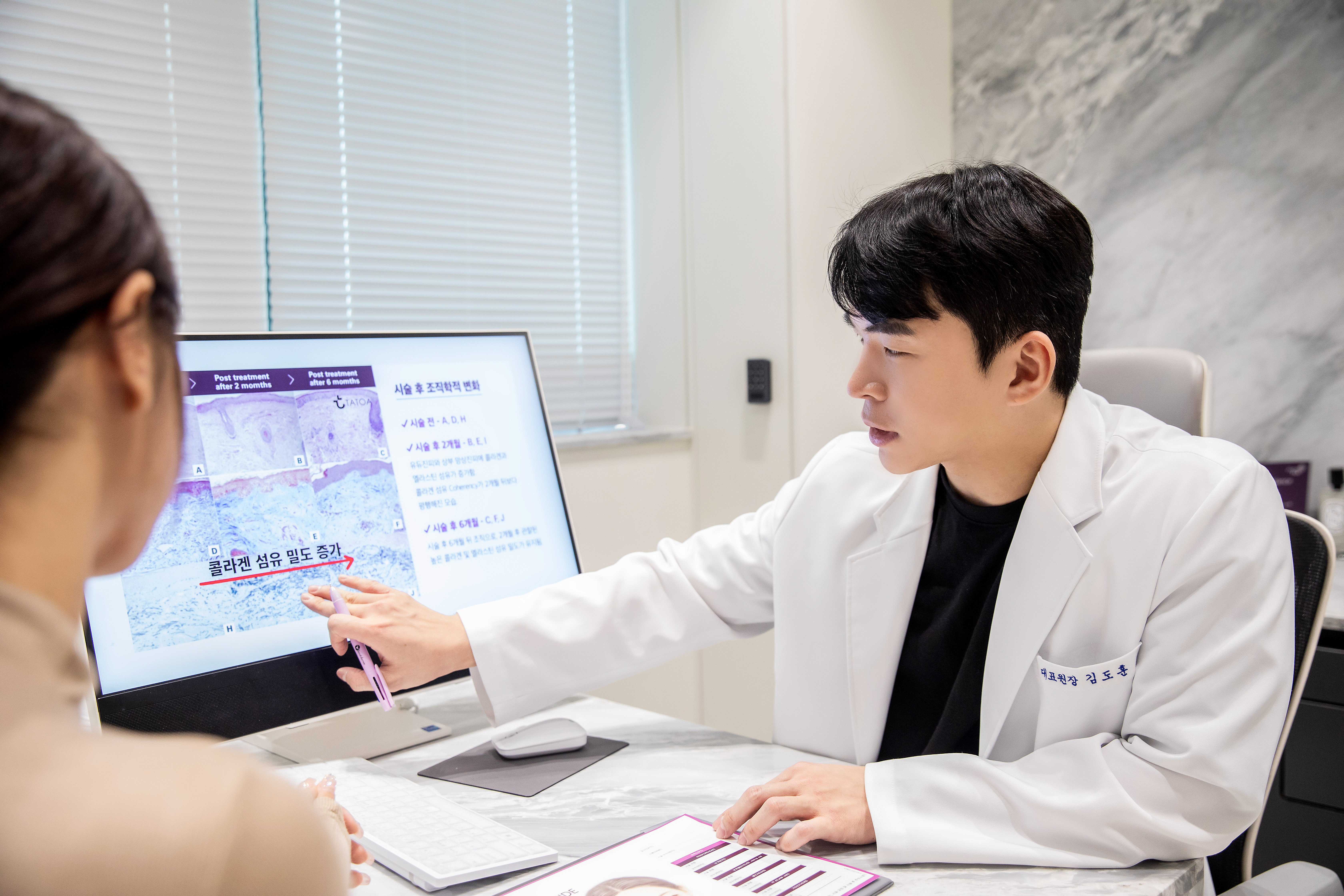
Changes after treatment are gradual. Collagen remodeling develops over time, and the Thermage FLX treatment information describes changes over approximately six months. The timing and degree of visible change depend on individual condition, so a specific outcome cannot be assumed. It is helpful to think of the treatment as a process rather than an instant transformation. During consultation, the doctor can discuss the likely pace of change, the areas of concern, and whether the expected type of improvement matches the patient’s priorities. Follow-up and comparison can help put changes into context.
Thermage FLX is a dermal tightening treatment, not a direct tissue-lifting procedure. A clear discussion of the concern being treated and the gradual nature of collagen remodeling helps set realistic expectations.
Customized planning starts with the concern
Skin concerns do not always point to the same treatment approach. A person may be focused on texture and firmness, while another is more concerned about sagging or facial volume. The medical staff considers these distinctions before recommending a plan. Personalized treatment means matching the method to the concern, rather than treating every face in the same way. At Ode Clinic, consultation includes a review of the patient’s needs, timing expectations, treatment duration, cost, and potential side effects.
Thermage FLX may be considered when the goal is tightening rather than direct lifting. Ode Clinic also has lifting and tightening equipment including Ultherapy, XERF, EMFACE, Density, Onda, and Shurink. These options do not all work in the same way, so the presence of multiple devices allows the medical staff to discuss alternatives rather than defaulting to one device. The appropriate choice depends on the patient’s condition and goals. A consultation can also address whether a single procedure or a different treatment sequence is more appropriate.
What a customized session plan considers
A thoughtful plan considers more than the device name. The medical staff reviews the areas of concern, the type of change the patient hopes to address, and how treatment timing fits those expectations. Thermage FLX is generally considered on an annual cycle in the treatment information, but the right timing for an individual should be discussed with the doctor. Skin condition and personal goals remain central to that decision.
It is also useful to discuss how tightening relates to other aesthetic goals. If the main concern is sagging, a direct lifting approach may be more relevant than radiofrequency tightening alone. If firmness and texture are the priorities, Thermage FLX may be part of the conversation. Customization is the process of choosing a suitable approach after assessing the concern—not a promise of a particular result. Patients should share relevant treatment history and ask questions about expected changes, follow-up, and potential side effects before proceeding.
Planning Customized Thermage FLX Treatment at Ode Clinic
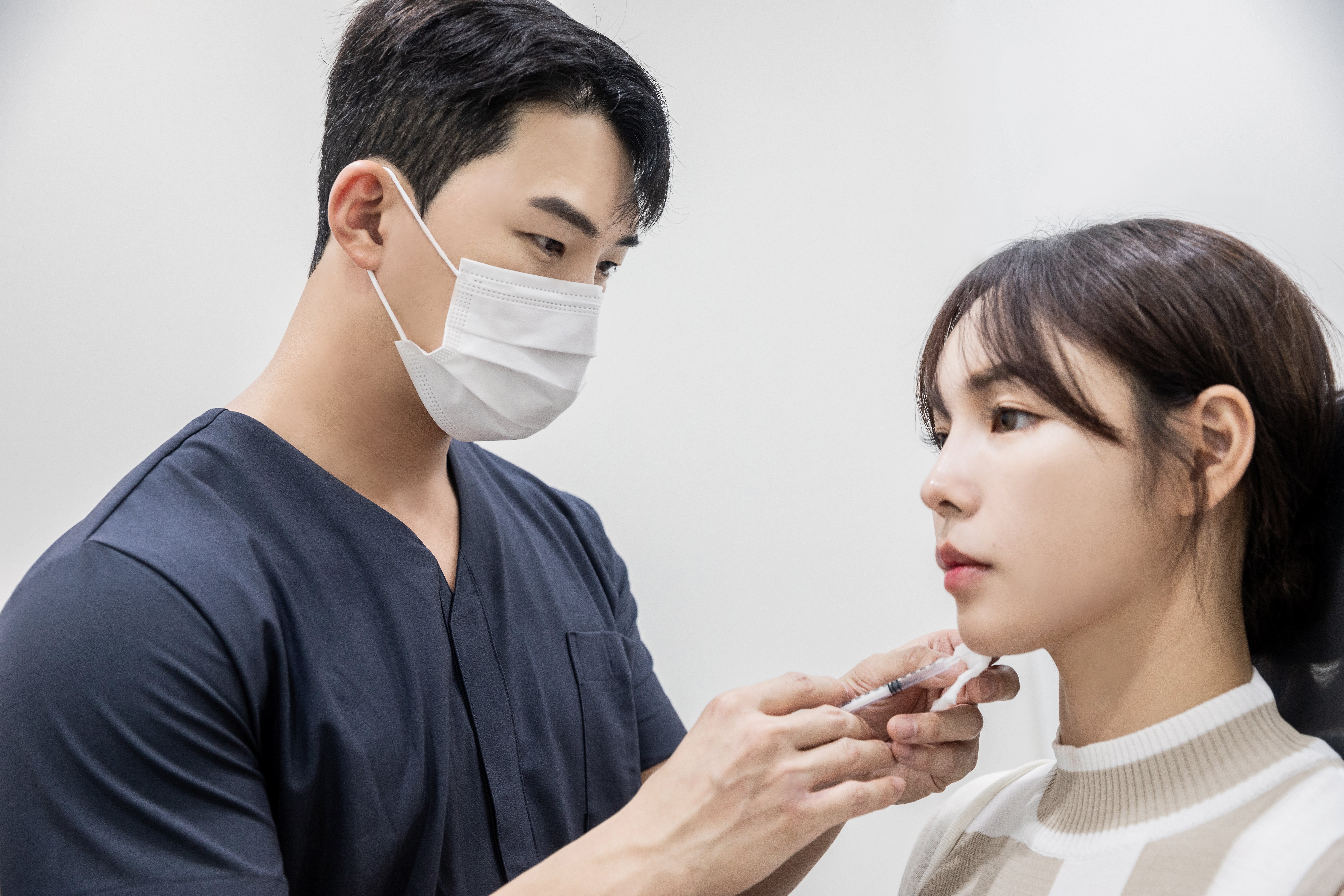
A consultation gives the medical staff an opportunity to understand the patient’s goals before discussing treatment. Ode Clinic’s approach emphasizes one-on-one consultation and individualized recommendations. The discussion can cover whether Thermage FLX fits the concern, how its gradual tightening approach differs from lifting, and what to expect after treatment. The plan is not based on a device name alone: skin condition, timing, duration of effects, cost, and potential side effects all inform the recommendation. Patients should leave the discussion with a clear understanding of why a treatment is being considered.
Consultation and treatment design
At Ode Clinic, the process begins with arrival and a one-on-one consultation and design. The patient can explain the areas they want to address and what kind of change they expect. The medical staff then assesses whether Thermage FLX is a reasonable fit and discusses alternatives when appropriate. A re-consultation provides an opportunity to revisit the plan before the procedure. This structure helps ensure that the treatment discussion is based on the patient’s circumstances rather than a standard plan applied to everyone.
Consultation is also a time to discuss practical expectations. Thermage FLX aims at tightening through dermal radiofrequency and collagen remodeling, while direct lifting procedures address a different treatment goal. The doctor can explain this distinction in relation to the patient’s concerns and discuss the gradual timing of changes. Ode Clinic’s approach includes before-and-after photo comparison using 2D and 3D diagnostic imaging, which can provide a more objective reference for assessing change. These images do not guarantee an outcome, but they can support a clearer review during follow-up.
A customized plan is built through consultation, assessment, and review—not simply by selecting a device. Patients benefit from understanding the treatment goal, realistic timing, and relevant alternatives before deciding.
The visit from consultation to departure
Ode Clinic describes a six-step medical system: arrival, one-on-one consultation and design, re-consultation, a private-room procedure, customized care, and departure. The sequence gives patients a chance to discuss the plan and revisit it before the procedure. A private treatment room is part of the process. The medical staff can explain the care relevant to the individual plan and address questions about the treatment before the patient leaves.
For Thermage FLX, discussing comfort is also relevant. The clinic’s treatment information includes an Airnox nitrous oxide option for Thermage. Patients can ask the medical staff whether this option is appropriate for their situation and what to expect during the procedure. It is important not to assume that every patient will have the same experience or require the same support. Clear communication before treatment helps align the plan with the patient’s needs. Patients should raise questions about comfort, procedure steps, and aftercare during consultation so those points can be addressed before proceeding.
Reviewing change over time
Because Thermage FLX changes develop gradually, an immediate impression is not the only useful way to assess treatment. Ode Clinic uses diagnostic imaging for before-and-after comparisons and follow-up discussion. This offers a structured reference for reviewing skin changes over time. The doctor can also discuss whether the course observed is consistent with the patient’s goals and whether further care should be considered.
Individual responses differ, and photo comparisons should be understood as a tool for discussion rather than a guarantee. Lighting, facial expression, and other conditions can affect how images appear, which is why consistent comparison and clinical context matter. Patients can ask how the images will be used and when a review may be helpful. Follow-up is part of informed treatment planning: it helps put gradual changes in perspective and supports decisions about future care.
Questions to raise before treatment
Before choosing Thermage FLX, consider asking what concern the treatment is intended to address, how it differs from a lifting procedure, and what timeline of change is realistic. It is also reasonable to discuss how the doctor evaluates whether the treatment suits your skin condition and what other options may be considered. These questions help keep the plan focused on your priorities rather than on a procedure name alone.
Patients may also wish to discuss potential side effects, comfort options, follow-up, and treatment costs. The medical staff can explain the points relevant to the proposed plan during consultation. The right decision depends on personal needs and clinical assessment, so there is no need to arrive with a fixed treatment choice. A direct conversation can clarify whether Thermage FLX, another available option, or a different approach better addresses the concern.

What to Expect from Customized Thermage FLX Treatment
Thermage FLX is intended to support tightening through dermal radiofrequency, with gradual changes associated with collagen remodeling. The treatment information describes a subtle change in skin layers rather than a dramatic contour shift, and notes that changes may develop over approximately six months. Individual condition influences the experience and timing. At Ode Clinic, treatment planning includes discussion of goals, expected duration, cost, and potential side effects, followed by appropriate customized care. A realistic expectation is gradual change assessed in the context of the patient’s skin and treatment goals.
Understanding the treatment’s scope
Thermage FLX is most clearly understood as a tightening approach. It uses monopolar radiofrequency to heat the dermis and support collagen contraction and remodeling. This can be relevant to concerns about firmness, texture, wrinkles, and sagging skin, but the treatment is not presented as a direct lifting method. The distinction is important because choosing a treatment based on the wrong goal can lead to mismatched expectations.
During consultation, patients can describe whether their priority is skin texture, firmness, or a visible lift in facial contour. The medical staff can then explain how Thermage FLX compares with lifting options available at Ode Clinic, including Ultherapy and other equipment. A recommendation should reflect the patient’s condition and priorities; it should not assume that one device suits everyone. Discussing the scope of treatment before proceeding is a practical way to make an informed decision.
Thermage FLX may suit a tightening goal, but it should not be confused with direct lifting. The most useful next step is an individual assessment that connects the treatment’s scope to the patient’s concern.
Timing, maintenance, and individual variation
The Thermage FLX treatment information describes gradual change over approximately six months and an annual treatment cycle. These are general treatment details, not a promise that every patient will experience the same timeline or duration. Individual condition can affect how changes develop. The doctor can discuss when a review may be appropriate and whether the annual cycle is relevant to the patient’s situation.
Planning should account for the patient’s schedule and expectations. Someone hoping for an immediate contour change should understand that Thermage FLX is associated with gradual tightening, while another procedure may better align with a direct lifting goal. A consultation can clarify these differences before treatment. It can also address whether additional care is being considered and how that affects the overall plan. Rather than judging the treatment too early, patients can discuss a suitable timeframe for follow-up and comparison with the medical staff.
Points to consider before treatment
As with any aesthetic procedure, the decision should follow a discussion of the expected benefits, potential side effects, and alternatives. Patients should share relevant concerns and ask how the proposed treatment addresses them. Thermage FLX is not a universal solution, and the medical staff may recommend another option if the patient’s primary goal is better addressed by a different approach. Individual responses vary, so no specific result can be guaranteed.
Comfort and aftercare are also worth discussing in advance. Ode Clinic’s Thermage information includes an Airnox nitrous oxide option, which patients can ask about during consultation. The medical staff can explain what applies to the individual plan and answer questions about procedure care. Informed consent depends on understanding both what the treatment is intended to do and what it cannot be assumed to do. Take time to clarify any uncertainty before deciding.
How to make the consultation useful
To make the discussion focused, identify the area or change that matters most to you. Explain whether your priority is firmness, texture, wrinkles, or sagging, and describe the timing of results you have in mind. This gives the medical staff a clearer basis for discussing whether Thermage FLX fits your goals. You can also ask how the clinic reviews progress and whether diagnostic images are part of follow-up.
It may help to ask about alternatives and how each addresses the concern differently. Ode Clinic offers a range of lifting and tightening equipment, and recommendations are based on individual assessment. Discussing cost and potential side effects is also part of treatment planning. A useful consultation ends with a clear treatment rationale, practical expectations, and an opportunity to decide without pressure. If you are unsure whether tightening or lifting is the right focus, say so directly; clarifying the goal is part of the process.
Booking a consultation at Ode Clinic
Ode Clinic is a dermatology clinic in Seoul’s Gangnam District. Patients can contact the clinic to ask about consultation and treatment planning for Thermage FLX. During the consultation, the medical staff can review skin concerns, explain the scope of tightening, and discuss suitable options. This conversation is the appropriate place to review individual questions about treatment, timing, cost, and care.
When booking, mention that you would like to discuss Thermage FLX and share the concern you hope to address. A treatment decision can then be made after the doctor has reviewed your needs. The clinic’s address is Seoul, Gangnam District, Gangnam-daero, 340 8F. You can call +82 2-569-0222 to contact Ode Clinic.



Frequently Asked Questions
Q.What kind of clinic is Ode Clinic?
A.Ode Clinic is a dermatology clinic in Seoul’s Gangnam District. It offers lifting and tightening treatments, including Thermage FLX, with treatment recommendations based on consultation.
Q.Who might consider Thermage FLX?
A.People whose concerns include skin firmness, texture, wrinkles, or sagging may discuss Thermage FLX with the medical staff. Whether it suits an individual depends on the skin condition and treatment goal.
Q.How does Thermage FLX treatment work at Ode Clinic?
A.Thermage FLX uses monopolar radiofrequency to heat the dermis and support collagen contraction and remodeling. Ode Clinic begins with a one-on-one consultation to assess goals and discuss a suitable plan.
Q.When do changes appear, and what should I prepare?
A.Changes are gradual and may develop over approximately six months, depending on individual condition. Prepare by considering your main concern and questions about treatment goals, timing, cost, and potential side effects.
Q.Where is Ode Clinic, and how can I contact it?
A.Ode Clinic is at Seoul, Gangnam District, Gangnam-daero, 340 8F. Call +82 2-569-0222 to contact the clinic.
Clinic Information
| Clinic | Ode Clinic |
|---|---|
| Specialty | Dermatology |
| Address | Seoul, Gangnam District, Gangnam-daero, 340 8F |
| Phone | +82 2-569-0222 |
| Website | https://odeclinicseoul.com/en |
 Ode Clinic